How to Turn Your Living Room Into a Bedroom Without Sacrificing Style
So… your living room needs to moonlight as a bedroom? Whether you’re in a studio, hosting guests, or just maximizing space, you don’t have to settle for a sad mattress-in-the-corner situation. With a little strategy (and a bit of style), you can create a space that feels intentional—not temporary. Let’s make your living room pull double duty without looking like it gave up on life.
Start With a Clear Purpose (Yes, Both Matter)
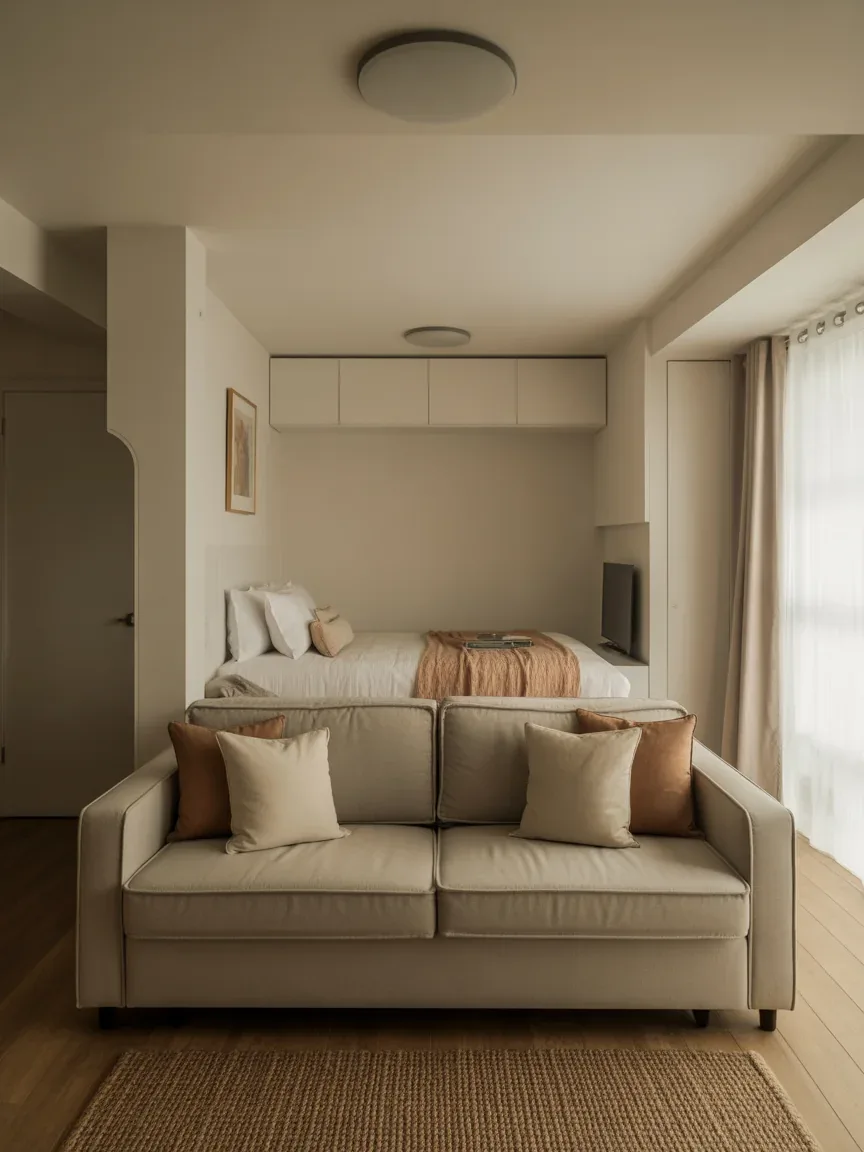
Before you move a single piece of furniture, ask yourself: what’s the primary function of this space? Is it a living room that occasionally becomes a bedroom, or the other way around?
Your answer changes everything.
- If it’s mostly a living room → prioritize seating and aesthetics
- If it’s mostly a bedroom → prioritize comfort and sleep quality
Trying to treat both equally often leads to clutter and confusion. Pick a “main character,” then let the other role support it.
Choose Furniture That Works Overtime
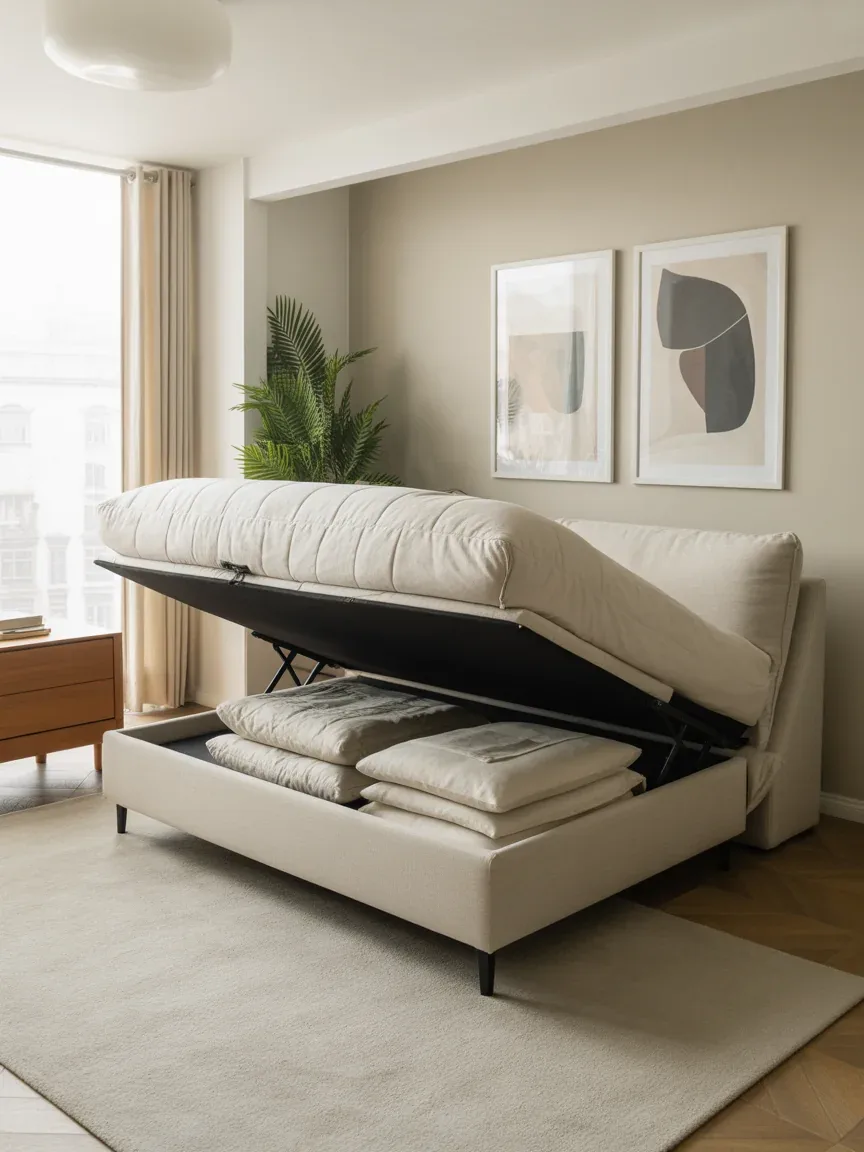
This is where the magic happens. You want pieces that can transform quickly without drama.
Go-To Dual-Purpose Heroes
- Sofa beds: Classic, reliable, and way better-looking than they used to be
- Daybeds: Stylish and low-key—great for a casual vibe
- Murphy beds: Fold up like a pro when not in use
- Storage ottomans: Hide bedding like a secret agent
IMO, the best setup is one that takes less than 2 minutes to switch modes. If it feels like assembling IKEA furniture every night, you’ll hate it.
Create Visual Separation (Without Walls)
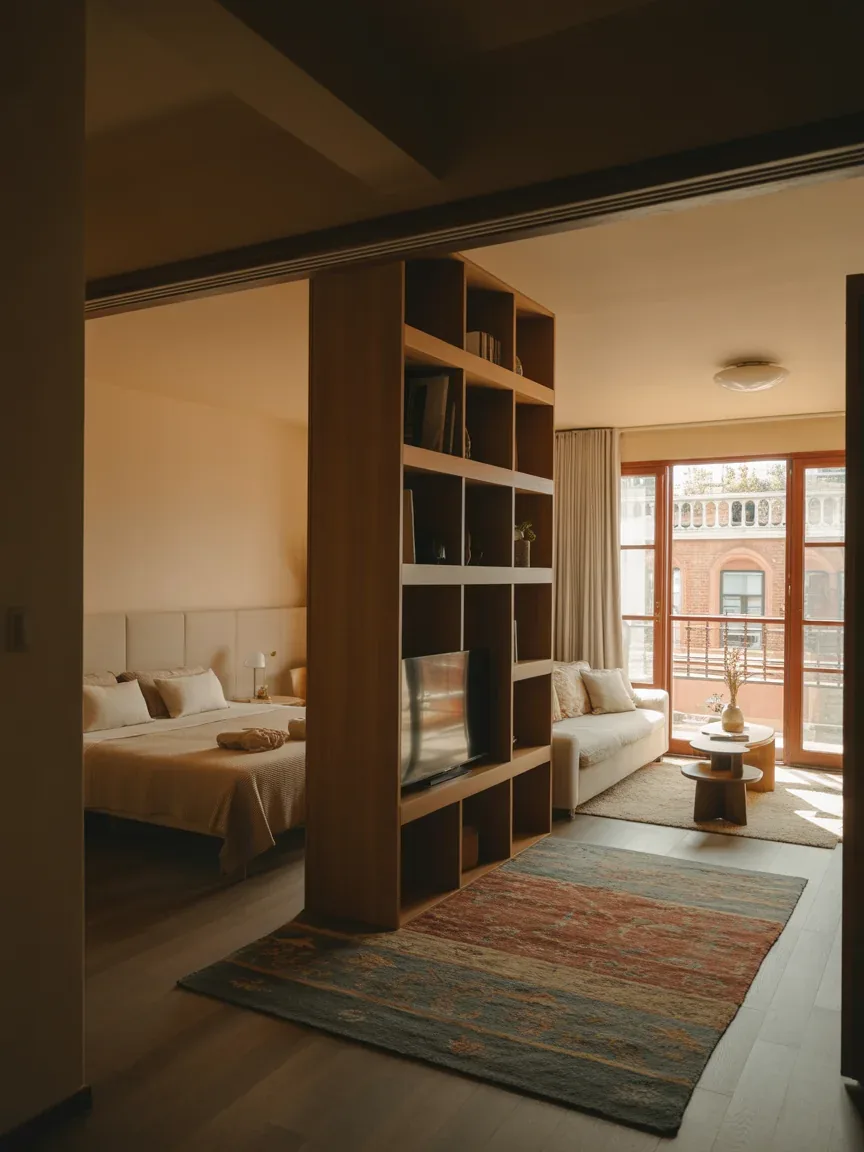
You don’t need to build a wall to create a sense of “room within a room.” You just need a little creativity.
Easy Ways to Divide the Space
- Rugs: One for the “living zone,” another for the “sleep zone”
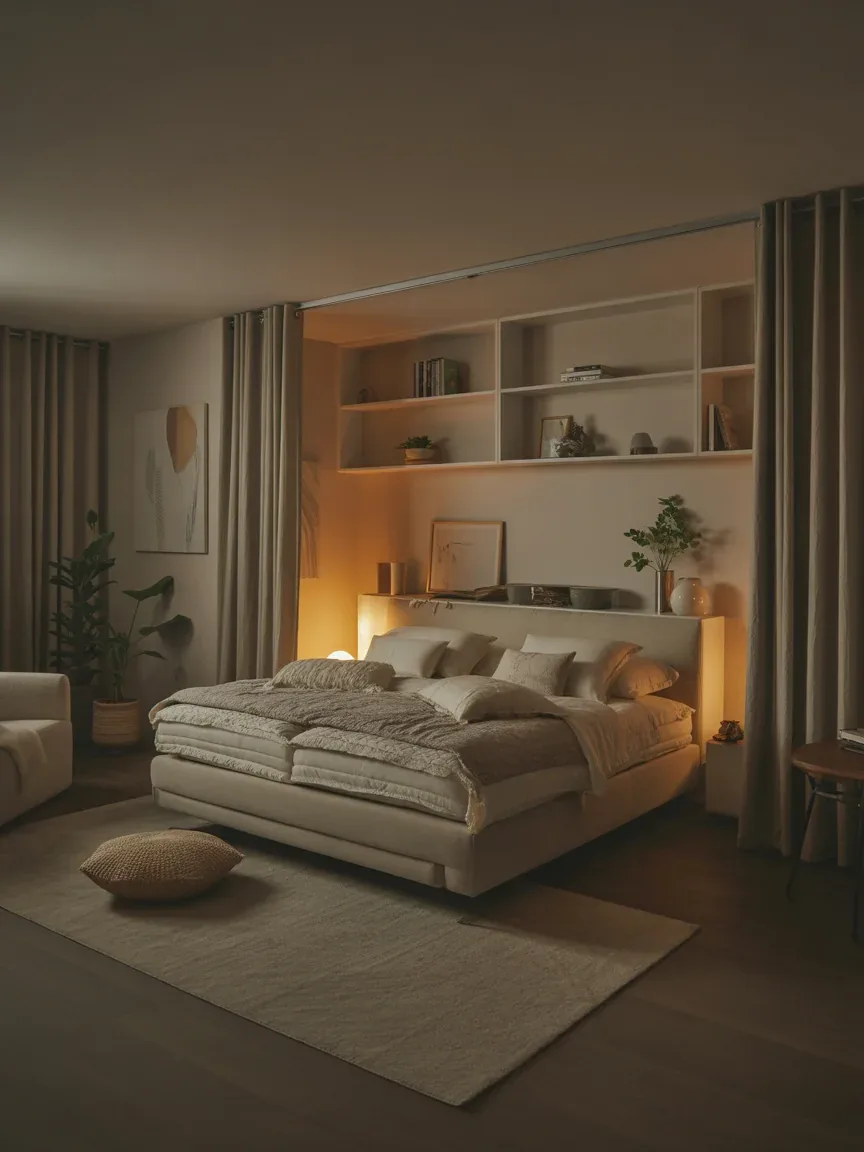
- Bookshelves: Open shelving doubles as storage and a divider
- Curtains: Soft, flexible, and surprisingly cozy
- Folding screens: Instant privacy with style points
The goal? Make your sleeping area feel intentional—not like you just gave up halfway through decorating.
Keep Bedding Hidden (Out of Sight, Out of Mind)
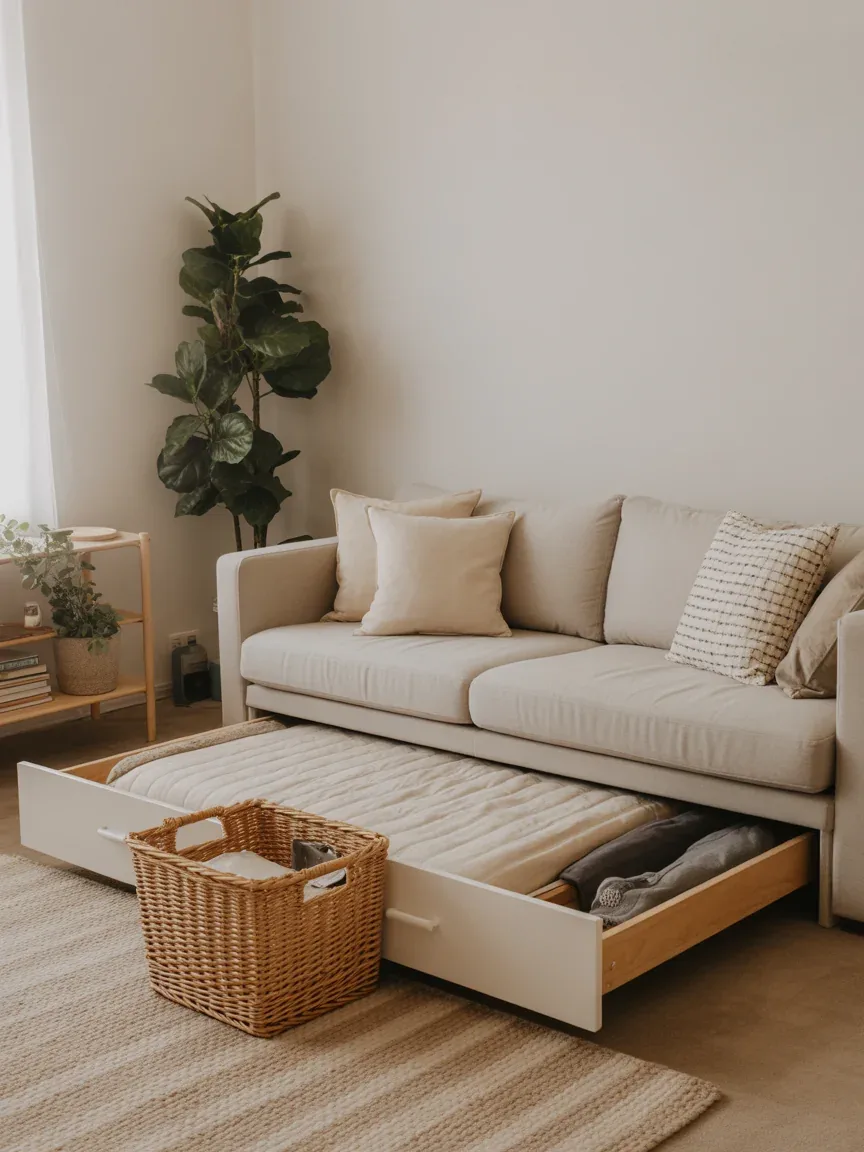
Nothing kills a living room vibe faster than an unmade bed staring at you all day. You want your bedding to disappear when not in use.
Smart Storage Ideas
- Use under-sofa or under-bed storage boxes
- Keep a dedicated basket or trunk for pillows and blankets
- Choose furniture with built-in storage compartments
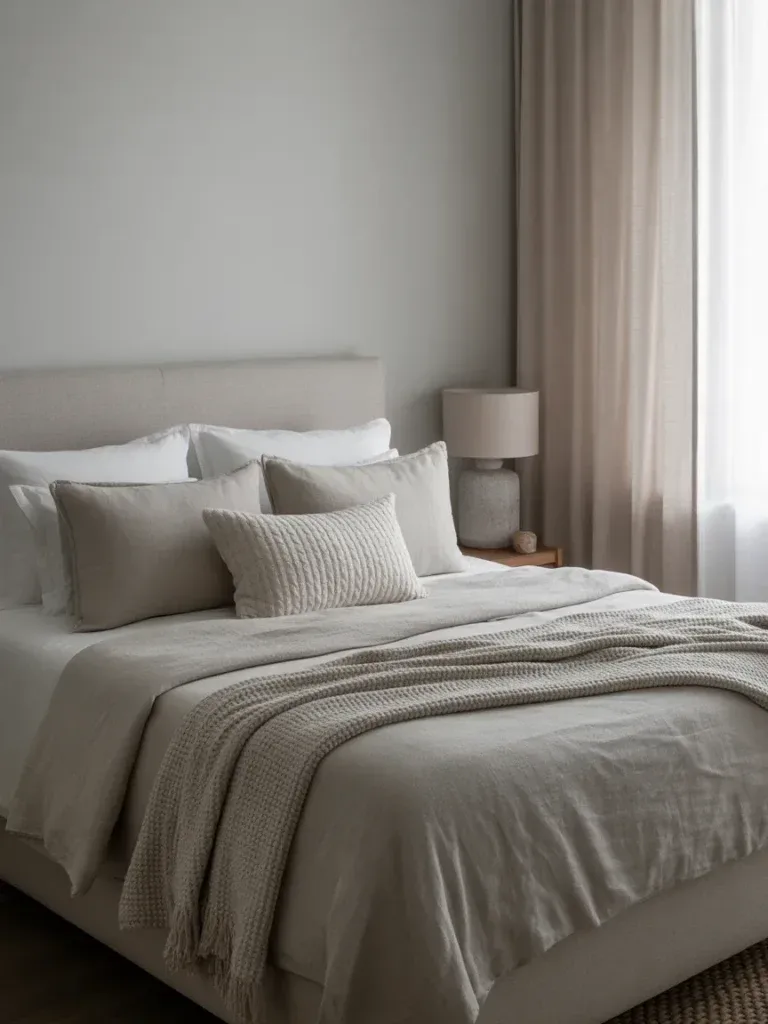
Pro tip: Stick to a simple, cohesive color palette for bedding. That way, even if it’s visible, it still looks styled—not chaotic.
Lighting Changes Everything (Seriously)
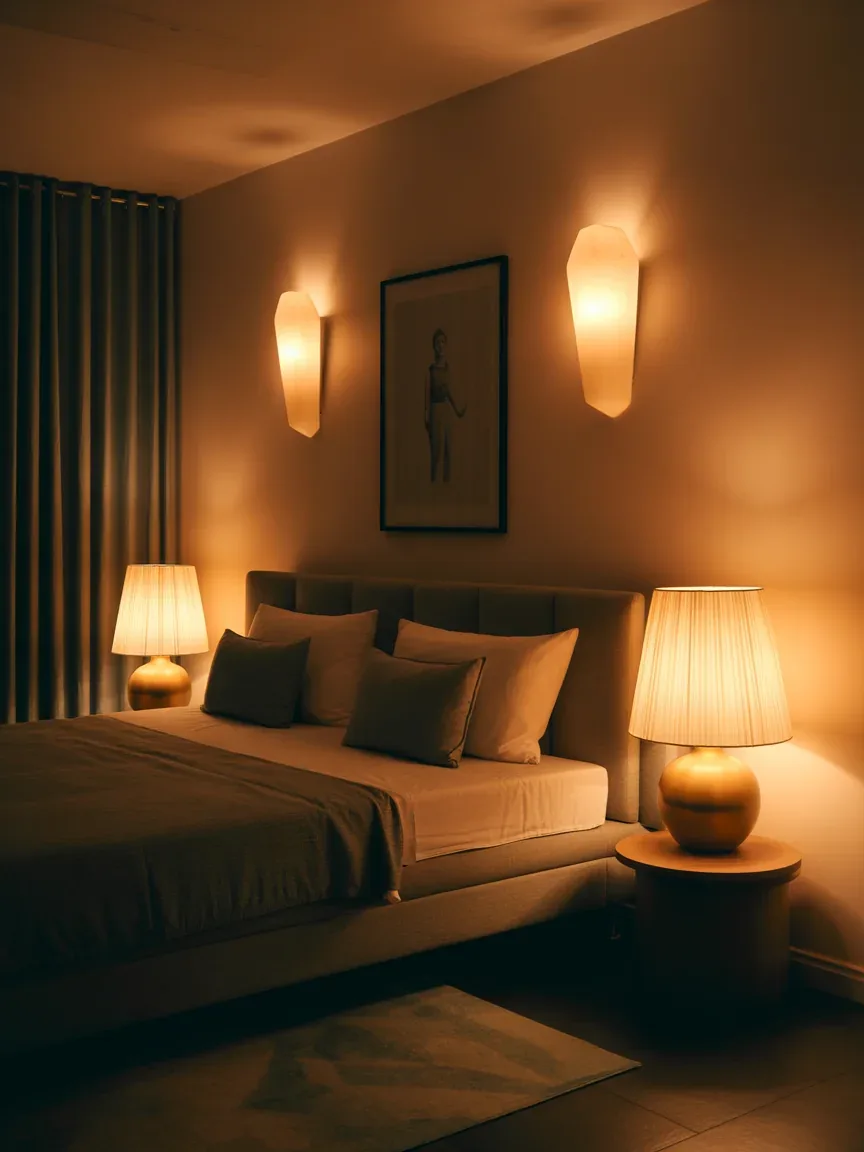
Lighting can flip your space from “Netflix hangout” to “sleep sanctuary” in seconds.
Layer Your Lighting Like a Pro
- Overhead lighting: Bright and functional for daytime
- Floor or table lamps: Softer, warmer for evenings
- Wall sconces or clip lights: Perfect for bedtime reading
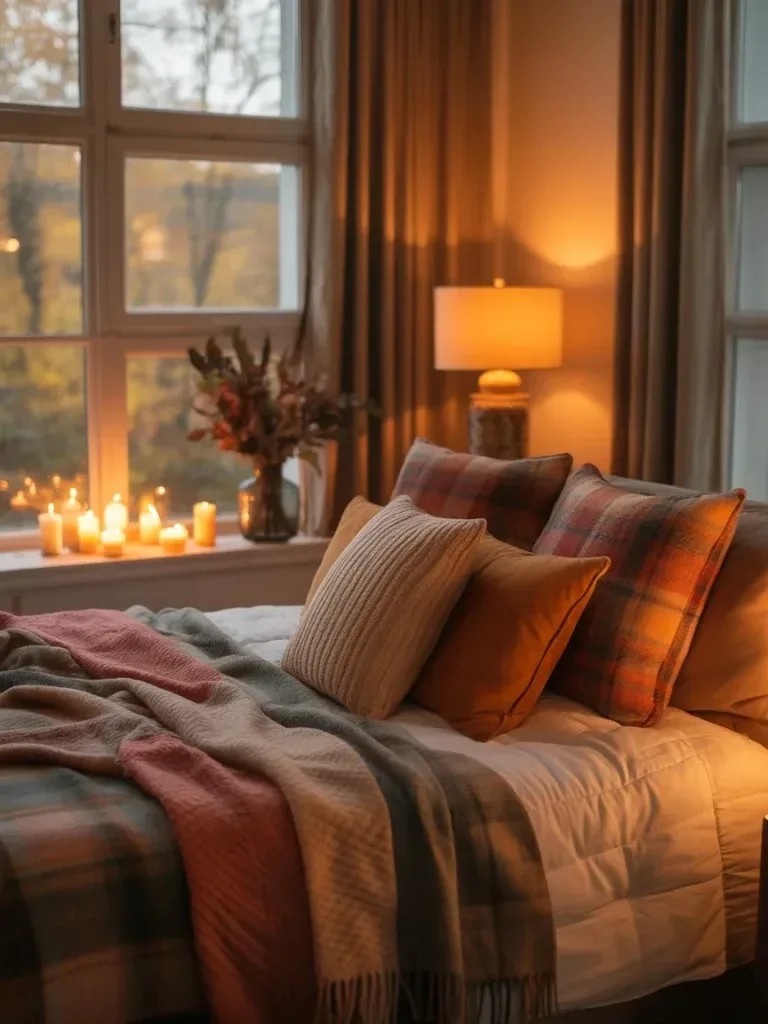
Warm lighting instantly signals “relax mode.” Harsh white light? That screams office vibes. Not what you want before sleep.
Make It Feel Like a Real Bedroom (Not a Backup Plan)
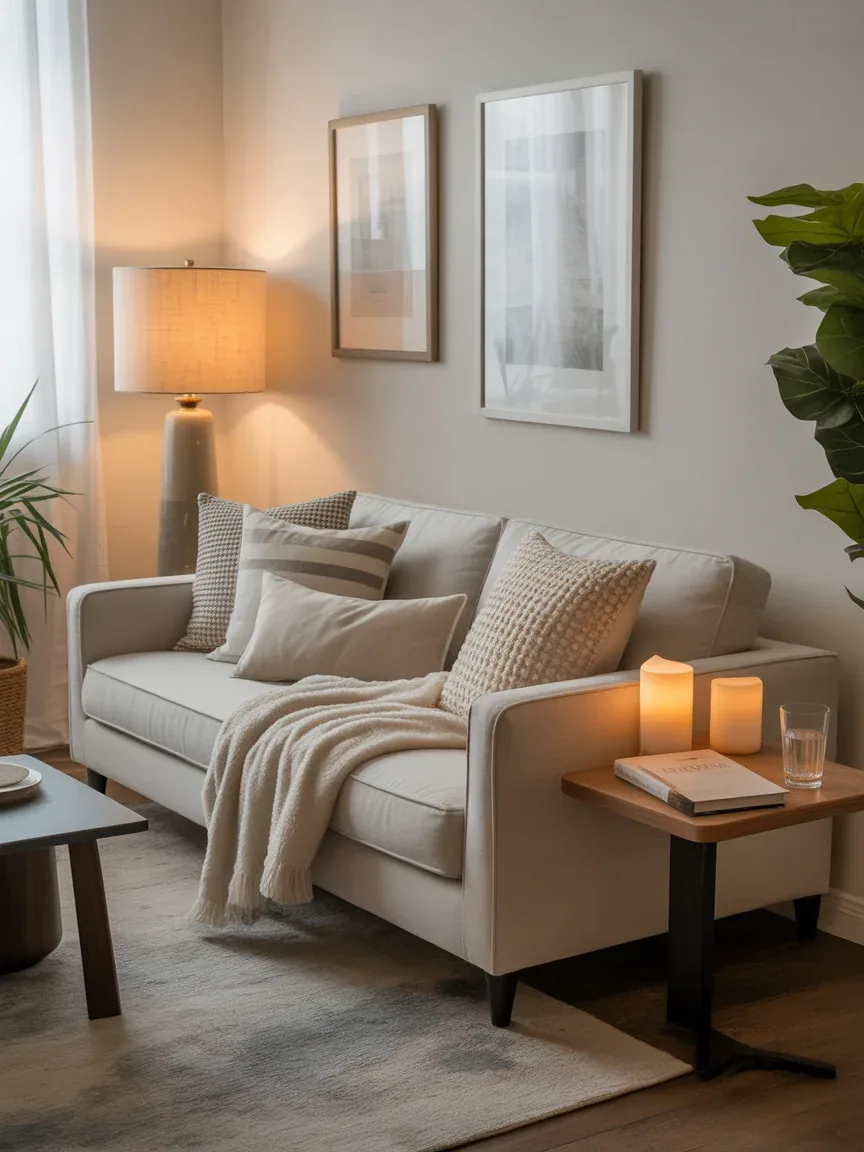
Just because it’s a multi-use space doesn’t mean it should feel temporary.
Add Bedroom Energy
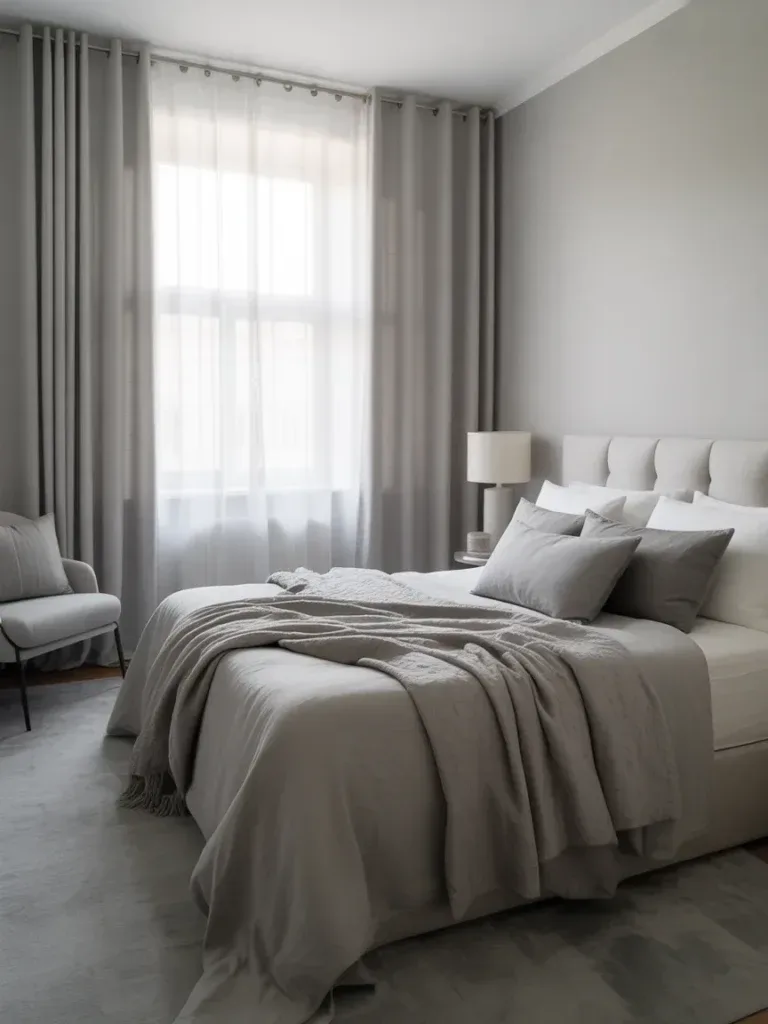
- Use throw pillows and cozy blankets
- Add a small nightstand or side table
- Include personal touches like books, candles, or art
Even a tiny detail—like a dedicated spot for your phone or a glass of water—makes the space feel more intentional.
And honestly, you deserve that. This isn’t camping.
Stick to a Clean, Minimal Layout
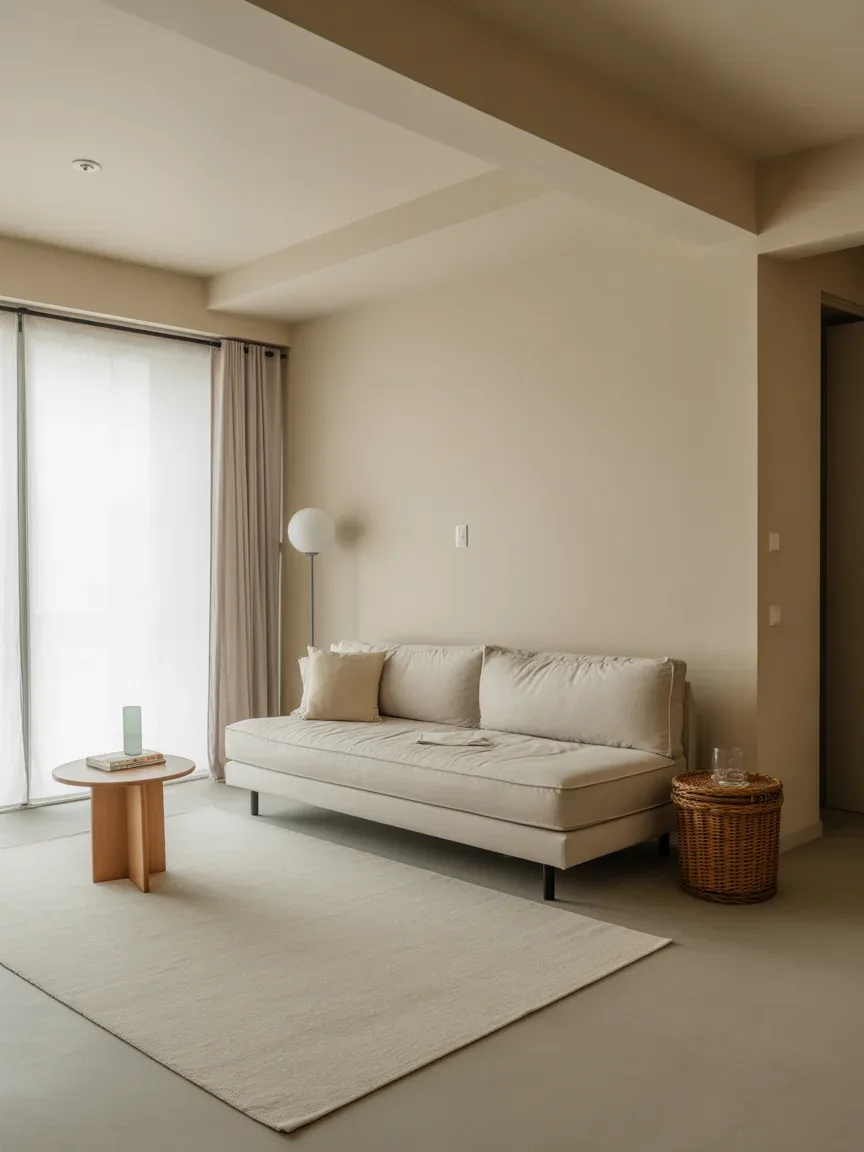
Clutter becomes your worst enemy in a dual-purpose room. Too much stuff = zero flexibility.
Keep It Simple
- Choose fewer, better pieces instead of cramming everything in
- Leave clear pathways for easy movement
- Avoid oversized furniture that dominates the room
Think of your layout as flexible, not fixed. You want the room to adapt, not fight back every time you rearrange it.
FAQ
Can I really make a living room feel like a proper bedroom?
Absolutely. Focus on comfort, lighting, and separation. When those three elements work together, the space feels intentional—not like a compromise.
What’s the best bed option for small spaces?
A sofa bed or Murphy bed usually wins. They save space and let you switch between functions quickly without turning your room into chaos.
How do I keep the space from looking messy?
Hide bedding during the day, stick to a consistent color scheme, and avoid clutter. Storage is your best friend here.
Is it worth investing in expensive dual-purpose furniture?
If you use it daily, yes. A good-quality sofa bed or mattress makes a huge difference in comfort and durability.
How do I make the transition from living room to bedroom easier?
Keep everything within reach and organized. The faster and simpler the setup, the more likely you’ll actually enjoy using the space.
Conclusion
Turning your living room into a bedroom doesn’t mean sacrificing style—it just means getting a little smarter with your choices. Focus on multi-functional furniture, visual separation, and cozy details, and you’ll create a space that works hard and looks good doing it.
At the end of the day, your home should adapt to your life—not the other way around. So go ahead, make that living room multitask like a pro.