
Elevate Home Theater Rooms to Epic Comfort
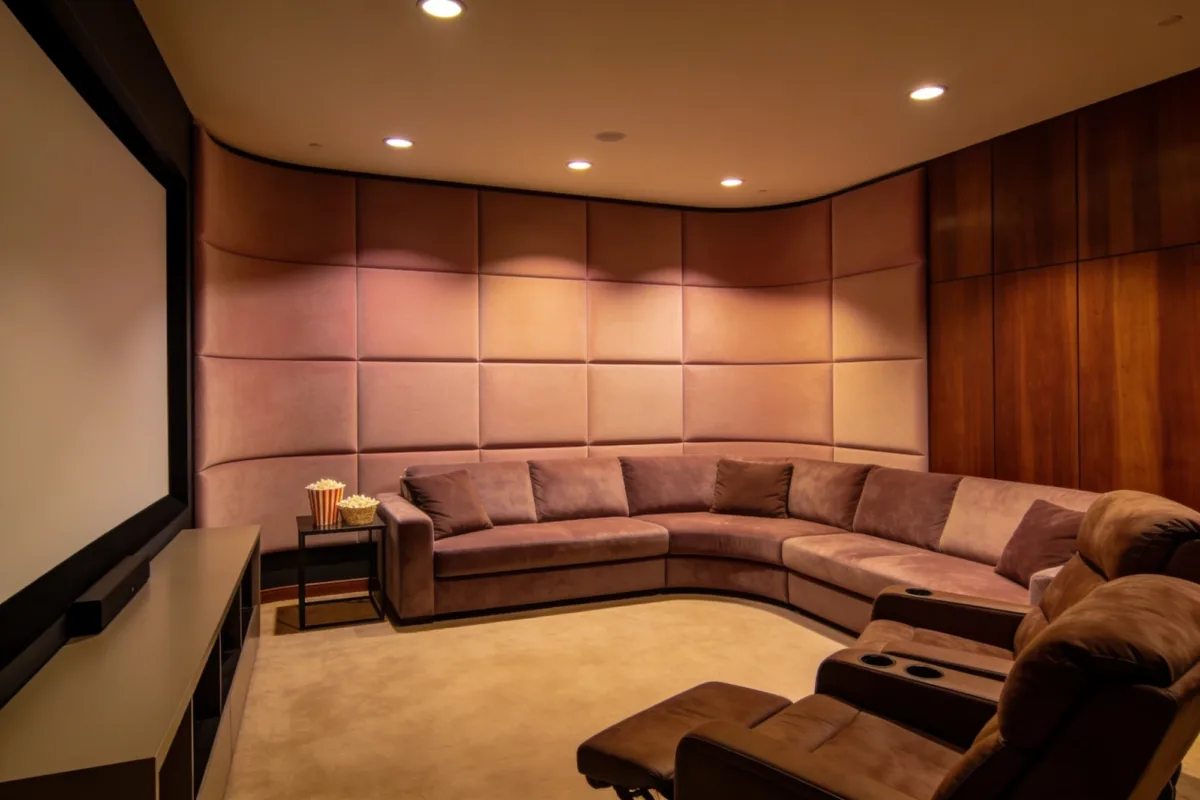
Good home theater ideas aren’t really about the biggest screen or the loudest speakers. They’re about layout, comfort, light control, and sound working together so a room stops feeling like “the basement with a TV” and starts feeling like a real cinema in house. Whether you’re converting a spare bedroom, finishing a basement, or carving out a corner of your living room, the same core decisions apply.
This guide walks through the full process: seating, acoustics, lighting, display choice, storage, ambience, and the tech you actually need versus the tech that’s just nice to have.
Quick Takeaways
- Seating and sightlines matter more than screen size — a smaller screen viewed comfortably beats a huge one you have to crane your neck at.
- Acoustic treatment and light control (curtains, panels, rugs) deliver the biggest jump in “movie theater feel” for the money.
- Projectors excel in fully dark rooms; a bright OLED TV is often the better call for rooms with ambient light.
- Layered lighting — ambient, task, and accent — lets one room shift from cozy movie night to bright game night.
- You can upgrade in stages: start with sound and light control, then seating, then display.
Why Home Theater Rooms Beat the Theater Line Every Time
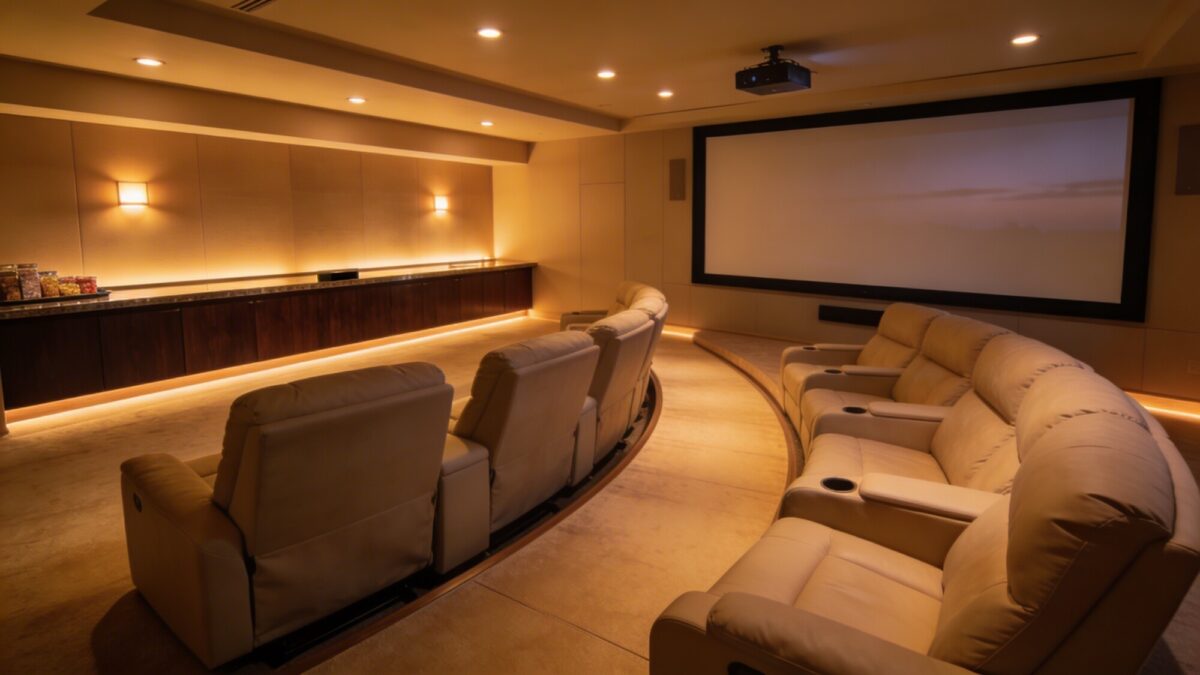
A home theater room skips the sticky floors, overpriced popcorn, and the stranger kicking your seat. More importantly, it gives you full control over layout, lighting, and sound — the three things that actually shape how a movie feels. Once you’ve built a space around your own habits (family movie nights, solo binge sessions, or hosting friends), it tends to get used far more than a rarely-visited “formal” room.
Home theater ideas for basement spaces are especially popular because basements naturally offer better light control and sound isolation than upstairs rooms — two advantages that are expensive to recreate elsewhere in the house.
Layout and Flow: Designing a Space That Feels Intimate
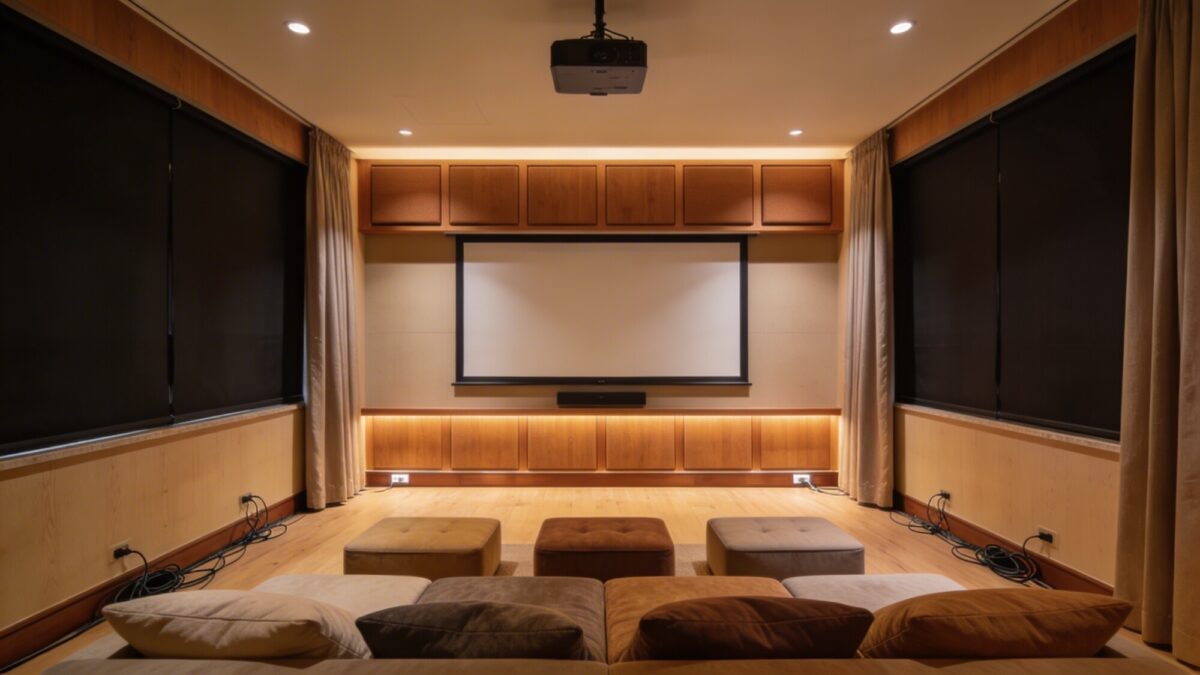
Before picking finishes or furniture, map out how people will actually move through the room. A good movie room modern layout keeps a clear walkway to seating, positions the screen at a height that avoids neck strain, and leaves room for a snack station that doesn’t block sightlines.
Layout Basics to Get Right
- Keep the screen height where the center sits roughly at eye level when seated
- Arrange seating in a gentle curve or staggered rows so every seat has a clear view
- Leave a walkway that doesn’t cross in front of the screen
- Plan cable routing and outlets before furniture placement, not after
Seating That Actually Feels Like an Upgrade
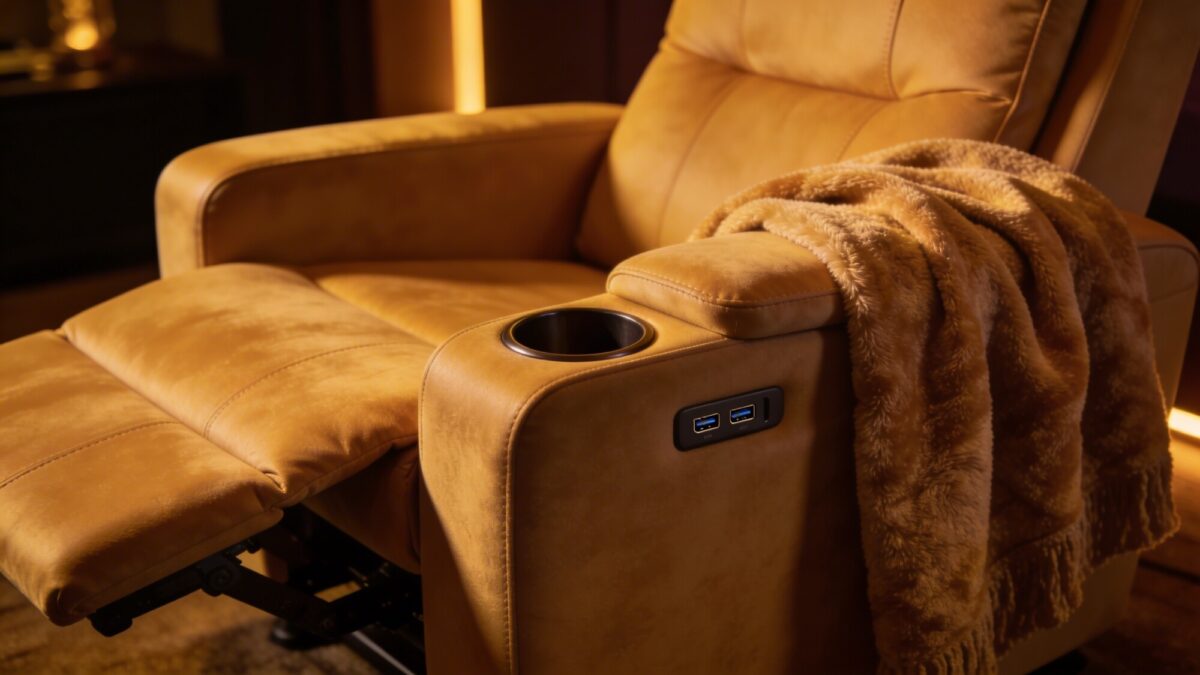
Seating is where a home theatre setup earns its keep. Reclining chairs with built-in cup holders and charging ports are popular for good reason — they keep drinks and phones off the floor and out of the way. If you’re working with a smaller room, a deep sectional with a low coffee table can double as both a home theatre couch and everyday living room seating.
Acoustics: Quiet, Clear, and Not Gimmicky
Sound is arguably the most underrated part of any home cinema room ideas list. A great screen with poor acoustics still feels flat, while a modest screen with treated sound can feel genuinely immersive. The goal isn’t a recording studio — it’s reducing echo and controlling how sound bounces around a mostly hard-surfaced room.
What to Do With Rugs, Curtains, and Wall Panels
- A thick rug underfoot absorbs sound and softens footsteps between seats
- Blackout curtains do double duty: they block light and soften sound reflections off windows
- Acoustic panels on the wall behind and beside the screen cut down on echo without needing a full renovation
You don’t need to treat the whole room at once. Start with the wall directly behind the seating area and the wall the screen sits on — those two surfaces cause the most noticeable reflections.
Lighting Like a Pro: From Dim to Dramatic
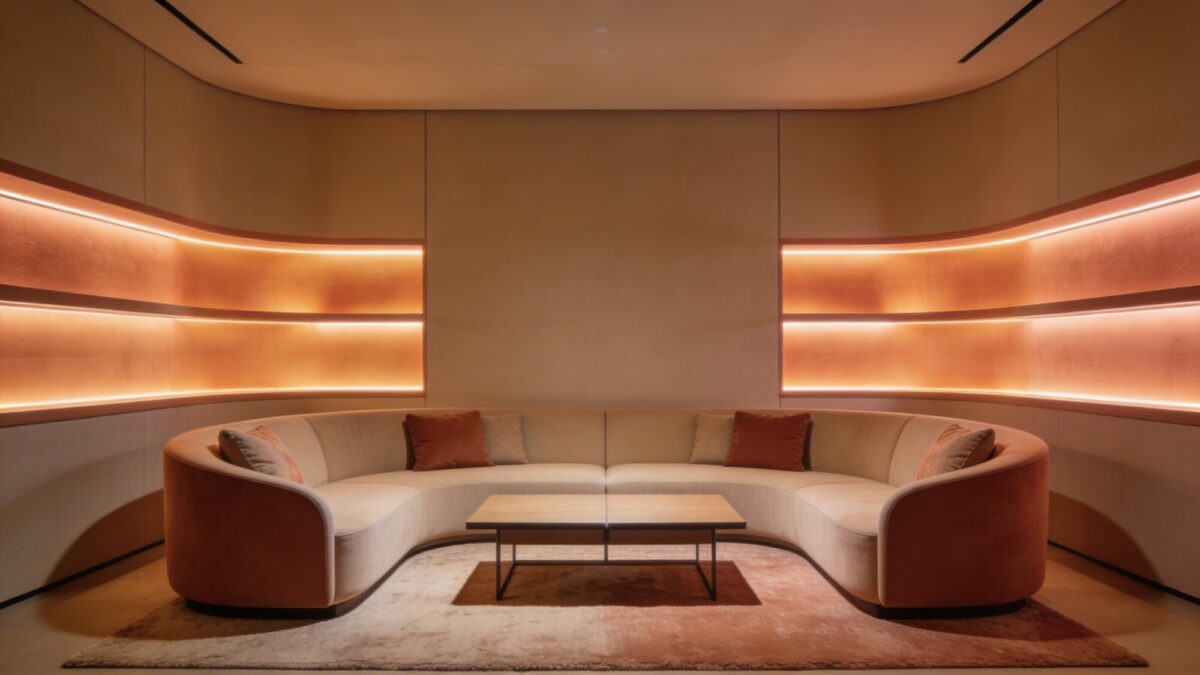
Home theater lighting isn’t just “turn off the lights.” Good lighting design lets the room transition smoothly between movie mode, conversation mode, and cleanup mode without anyone fumbling for a switch in the dark.
Smart Lighting Tricks You’ll Actually Use
- Add a dimmer to the main overhead fixture so brightness can shift gradually, not all-or-nothing
- Use low-glow LED strips along shelves or under seating risers so people can move safely without house lights on
- Keep any accent lighting out of direct line of sight to the screen to avoid glare
- Consider a smart plug or app-controlled scene so “movie time” is a single tap
Display and Visuals: Size, Position, and Quality
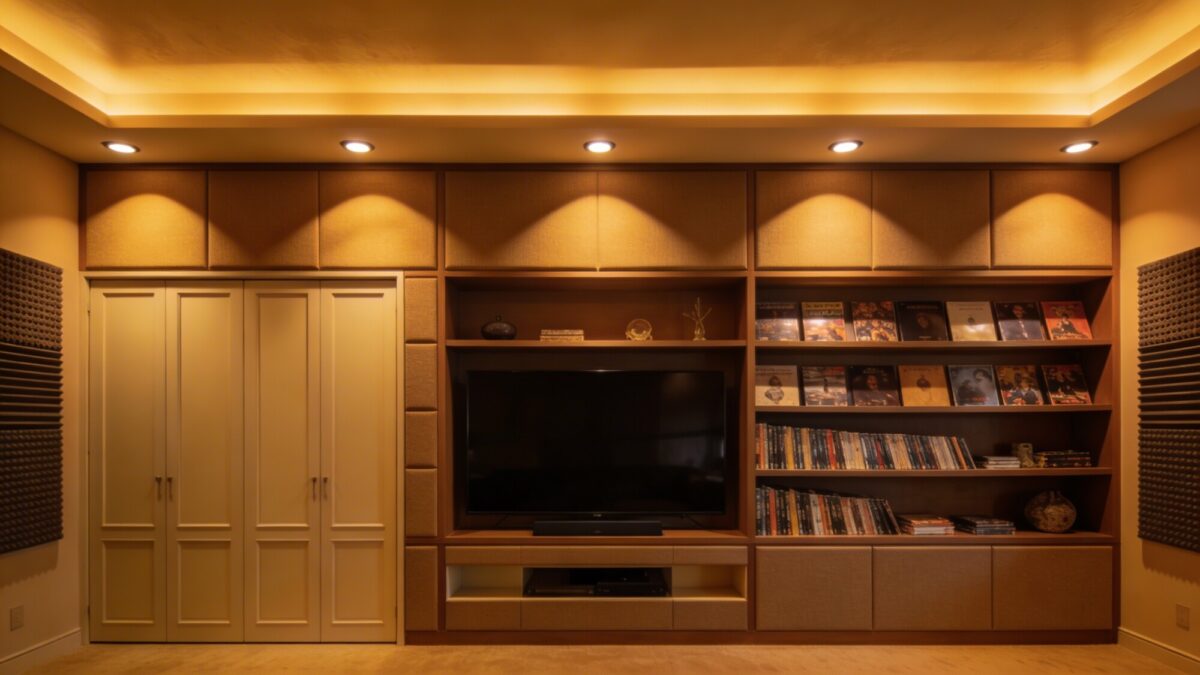
This is usually the biggest single decision in any home theater design: projector or TV. Both can look excellent, but they suit different rooms and different amounts of ambient light.
Projector vs. TV for a Home Theater Room
| Factor | Projector | TV (OLED/LED) |
|---|---|---|
| Best environment | Fully dark, light-controlled rooms | Rooms with some ambient light |
| Screen size | Very large, cinema-scale | Limited to available panel sizes |
| Setup complexity | Higher — mounting, screen, alignment | Lower — mount and plug in |
| Maintenance | Bulb/lamp or laser upkeep over time | Minimal ongoing maintenance |
| Daytime use | Weaker image in bright rooms | Holds up well in daylight |
Projector Pros and Cons
- Pros: Larger image for the price, more of an at home cinema room feel, flexible screen size
- Cons: Needs a genuinely dark room, more setup and alignment, occasional maintenance
TVs That Don’t Destroy the Mood
A quality TV, particularly an OLED panel, can outperform a projector in a room that gets any daytime light. TVs are also simpler for households that use the room for more than movies — gaming, video calls, or everyday TV background furniture use — since there’s no warm-up time or ambient light restrictions.
Storage, Decor, and the “This Feels Like Me” Factor
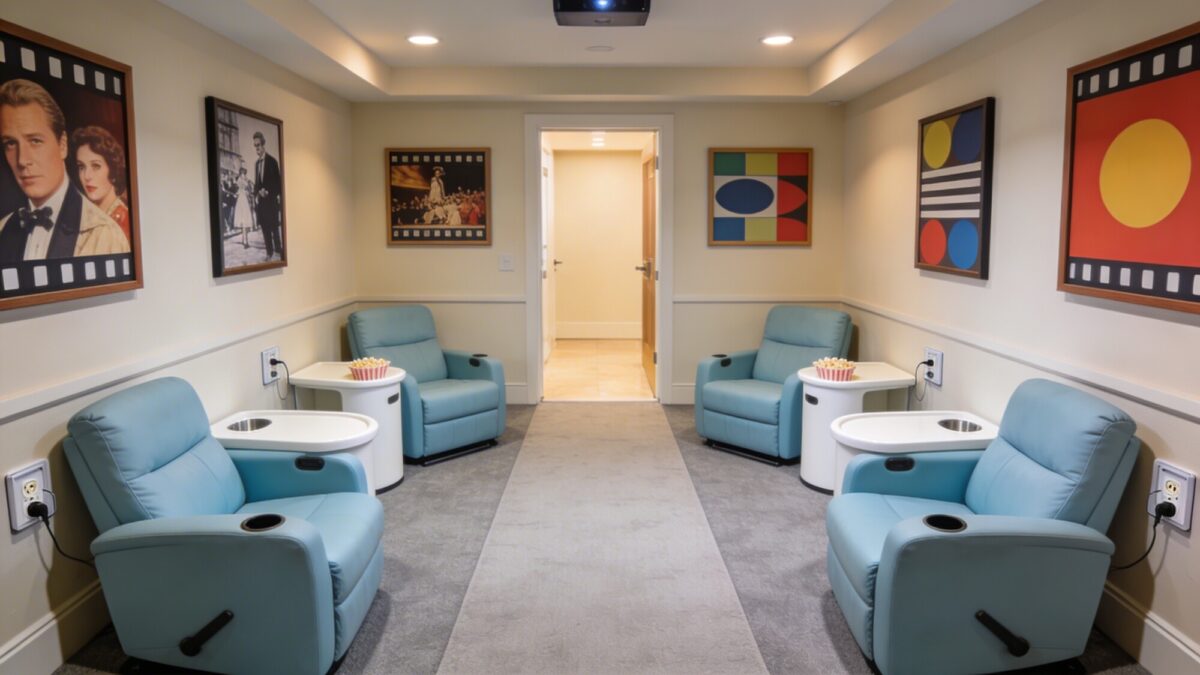
Once the technical layer is sorted, decor is what makes a home theater room actually feel personal instead of like a showroom. Movie posters, film-still wall art, or a small shelf of a movie collection can turn a functional room into a space with a real point of view.
Sidebar: The Media Console Dilemma
Open shelving shows off a media collection but adds visual clutter and dust exposure. Closed cabinetry keeps things tidy but hides personality. A middle ground — a low console with a mix of open and closed storage — tends to work well for most rooms, especially family-friendly setups where kids need easy, low-shelf access to remotes and controllers.
From Cozy to Club-Luxe: Tuning the Ambience
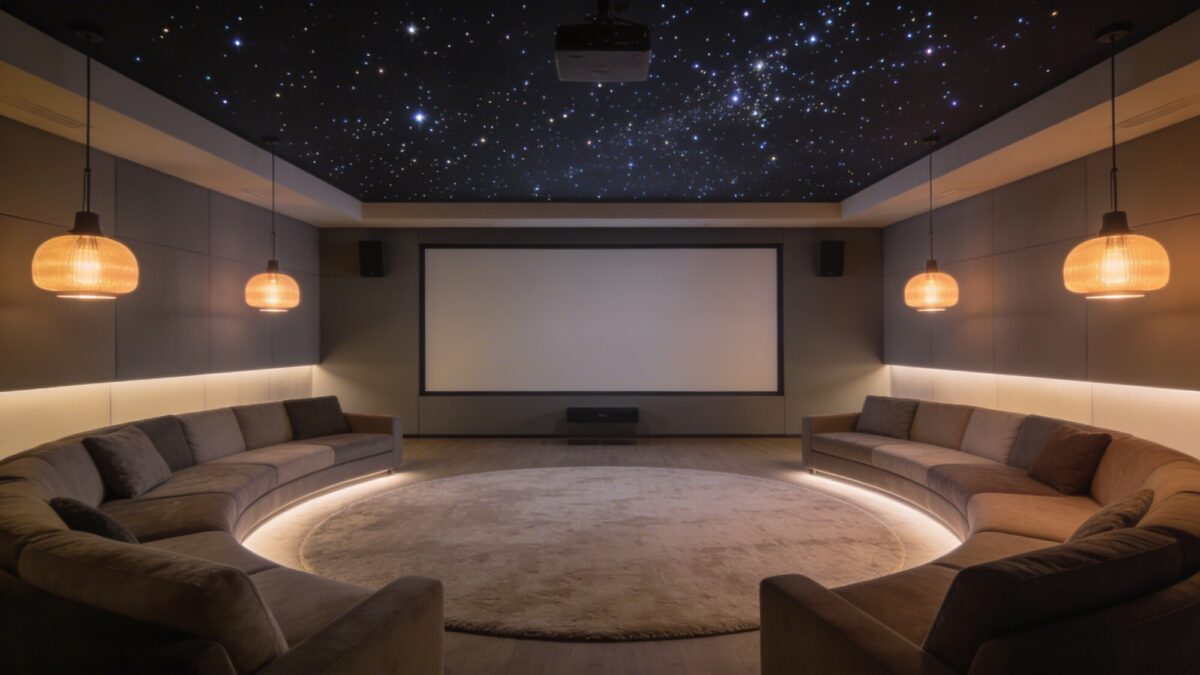
Ambience is what separates a “room with a TV” from a genuine home theater aesthetic. Small details — a muted, moody color palette, layered textures on seating, and subtle ceiling detail like fiber-optic starlight panels — push a space toward that luxury home theater rooms feel without needing a full renovation budget.
Tech Setup: What You Actually Need to Make It Real
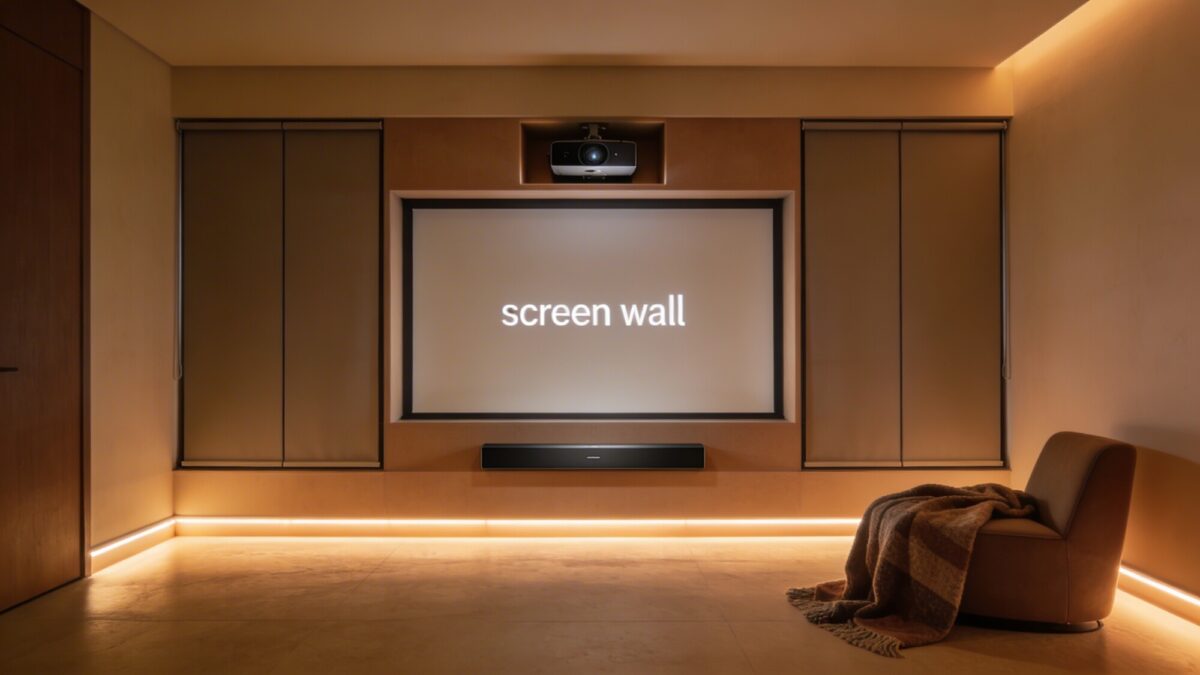
It’s easy to over-buy tech for a home theater. Focus on the essentials first, then decide whether upgrades are worth it for how the room actually gets used.
Do I Need a Sound System Upgrade Right Now?
Not necessarily. A quality soundbar with a subwoofer covers most needs for casual movie nights. A full surround setup makes the biggest difference for dedicated film lovers or anyone building a genuinely immersive home projector room. Start with a soundbar and subwoofer, then decide if a full system is worth the added wiring and cost.
Maintenance and Practicalities
Quiet Wins: Noise Management Without Masochism
Ongoing maintenance is mostly about staying ahead of small issues: dust on projector lenses or vents, cable clutter that creeps back over time, and HVAC or fan noise that becomes distracting once a room is otherwise quiet. A quick monthly check of cables, vents, and screen surfaces keeps a home theater running smoothly without turning into a chore.
Things to Consider Before You Start
- Confirm how dark the room gets during the day — it determines projector vs. TV
- Plan seating and walkways before buying furniture
- Budget for acoustic treatment even if it’s just curtains and a rug at first
- Decide whether the room needs to double as a playroom, gym, or guest space
- Route power and cabling early if you’re finishing a basement cinema from scratch
FAQ
How big should a home theater room be?
The ideal size depends on your screen, seating, and how immersive you want the experience to feel. A comfortable starting point is a room around 250–350 square feet, with seating arranged to give everyone a good line of sight without feeling crowded.
Is a projector better than a TV for home theaters?
Not necessarily. Projectors work best in dark rooms and deliver a cinema-scale image, but require more space and occasional maintenance. A high-quality TV, especially an OLED, can outperform a projector in bright rooms and is generally simpler to live with day to day.
What’s the cheapest way to improve a home theater room?
Start with sound treatment, smart lighting, and a solid seating plan — these deliver a noticeable jump without a major budget. Upgrading one element at a time, like swapping curtains or adding a subwoofer, lets you improve the room in stages.
Do I need fancy acoustics right away?
No. Start with a few affordable panels or thick curtains, and add more only if you notice echo or muddy sound. Acoustic treatment is easy to add incrementally.
Can I DIY a home theater to save money?
Yes. DIY acoustic panels, TV mounting, and cable management are all manageable with basic tools. Careful planning and tidy cable routing matter as much as the gear itself — a cluttered setup undercuts the mood fast.
Our Verdict
The best home theater ideas start with layout and sound, not the biggest screen you can find. Get seating, light control, and acoustics right first, then decide between a projector and a TV based on how dark your room actually gets. For more inspiration on pulling the whole room together, see these home theater room ideas that feel like a private cinema, or check out home theater ideas that make movie nights feel luxurious for higher-end inspiration. If snacks and hosting are part of the plan, this guide to home theater snack bar ideas is worth a look next.

