A bedroom should feel like a place you actually want to spend time in, not just a room where you crash after a long day. That’s where the right rug placement can completely change the vibe. A well-positioned rug adds warmth, balances your furniture, and makes the whole room feel more polished. The best part? You don’t need a complete makeover—just smarter placement. Why Rug Placement Matters More Than You Think A beautiful rug can lose all its charm if it sits in the wrong spot. Even an expensive rug looks awkward when it barely peeks out from under the bed or floats somewhere in the room without purpose. Think of your rug as the foundation of the bedroom. It connects the bed, nightstands, and surrounding furniture into one cohesive space. Without that visual anchor, everything feels a little disconnected. The goal isn’t simply to cover the floor. You want to create balance, comfort, and visual flow from every angle. Signature Design by Ashley Rainermen Casual Ceramic Table Lamp, T… CERAMIC TABLE LAMP: Reflecting your effortlessly chic sensibility, the textural surface is enriched with a herringbone p… CRISP WHITE SHADE: The hardback fabric drum shade in a neutral hue enhances a bedroom, living room or entry area, perfec… ELEVATE THE DECOR: Table lamps have form and function. Whether placed on a small table or bedside nightstand, they illum… $59.99 Buy on Amazon Choose the Right Rug Size First Before you stress over placement, make sure the rug actually fits your room. A rug that’s too small creates a chopped-up look, while one that’s too large can overwhelm the space. Here’s a simple guide: Twin bed: 5′ x 8′ rug works well. Full bed: 6′ x 9′ rug gives better coverage. Queen bed: 8′ x 10′ rug offers excellent balance. King bed: 9′ x 12′ rug creates a luxurious feel. IMO, sizing up almost always looks better than sizing down. Tiny rugs under large beds rarely win any design awards. Leave Equal Rug Exposure One of the easiest tricks is keeping the visible rug area consistent on both sides of the bed. Aim for about 18 to 24 inches of rug showing on each side whenever possible. That gives your feet a soft landing every morning instead of an unexpected encounter with cold flooring. Hakuna Matte CloudSoft Mat for Floor 60″ x 80″ Beige | Coral Velv… HAKUNA MATTE CLOUDSOFT: Experience the timeless aesthetic of beige and the airy softness of clouds right in the heart of… DESIGNED IN GERMANY WITH ELEGANCE: Crafted with meticulous attention to detail, this high-quality Tatami-style play mat … INNOVATIVE 3-LAYER COMFORT (1 INCH THICK): The secret to incredible comfort lies in our extra-thick, 1-inch design that … $68.61 Buy on Amazon The Best Ways to Position a Rug Under Your Bed There’s no single “correct” layout. Your room size, furniture arrangement, and budget all play a role. Place the Rug Under the Lower Two-Thirds This remains one of the most popular arrangements. Slide the rug under the lower two-thirds of the bed, allowing plenty of rug to extend beyond the foot and both sides. Your headboard and part of the bed stay off the rug while the sleeping area still feels grounded. This layout works beautifully because it balances comfort and practicality. Cover the Entire Bed Area If you have a spacious bedroom and a larger budget, place the entire bed and both nightstands on one oversized rug. The room instantly feels more luxurious. Everything appears intentional instead of pieced together. Just make sure the rug extends well beyond the furniture instead of stopping right at the edges. Place the Rug at the Foot of the Bed Working with a smaller rug? Position it horizontally across the foot of the bed. This approach adds texture and color without requiring a massive rug. It’s also a smart solution for smaller bedrooms where every inch counts. EARTHALL Woven Area Rug 4×6 Ft Washable Rugs for Entryway Non Sli… Product Details: Size: 4′ x 6′ (48″x72″); Thickness: Rug: 0.19 in; Edge: 0.38 in; . Note: Please ensure door clearance i… Color: Orange/Tan/Brown. A warm mix of orange, tan, and brown tones, creating a cozy, earthy feel that complements moder… Hand-Cut Detail: Each rug is individually cut, and small differences in dimensions or edge straightness may appear. This… $40.49 Buy on Amazon Match Rug Placement to Your Bedroom Layout Every bedroom has its own personality. What works in one room might look strange in another. Small Bedrooms Avoid oversized rugs that swallow the room. Instead: Let the rug extend mainly from the lower half of the bed. Keep walkways open. Choose lighter colors to make the room feel bigger. Large Bedrooms Large bedrooms often suffer from empty-floor syndrome. A generously sized rug helps fill that visual gap and creates a cozy sleeping zone. Add a reading chair or bench on the rug if space allows. Beds Against a Wall Not every bedroom allows perfect symmetry. If one side of the bed sits against a wall, focus on exposing the rug where people actually walk. Nobody admires hidden rug corners tucked behind furniture. Coordinate Your Rug With the Rest of the Room Placement matters, but style matters too. Your rug should support the room instead of stealing the spotlight—unless bold drama happens to be your thing. Pick Colors That Support the Space Neutral rugs create a calm atmosphere and work with almost every decorating style. If your bedding stays simple, try a patterned rug for extra personality. On the flip side, colorful bedding usually pairs better with subtle rugs. Think About Texture Texture changes how cozy a room feels. Some popular choices include: Plush rugs for maximum comfort. Low-pile rugs for easy cleaning. Wool rugs for durability. Natural fiber rugs for a relaxed, organic look. FYI, super fluffy rugs look amazing in photos but can become magnets for dust and pet hair. Keep Furniture in Mind The rug should complement nearby furniture instead of competing with it. Wood furniture pairs beautifully with textured neutrals, while upholstered beds often work well with patterned rugs that add depth. Common Rug Placement Mistakes to Avoid Even stylish bedrooms can fall victim to a few common rug mistakes. Avoid these whenever possible: Choosing a rug that’s too small. Placing the rug unevenly beneath the bed. Letting only a tiny strip peek out. Ignoring walking areas. Picking patterns that clash with bedding. Forgetting to use a rug pad. A rug pad might not sound exciting, but it prevents slipping, protects your floors, and helps your rug last longer. Not exactly glamorous, but very useful. FAQ Should the rug go under the entire bed? Not necessarily. Most designers recommend placing the rug under the lower two-thirds of the bed because it provides excellent balance while using a more practical rug size. How much rug should stick out on each side? Aim for 18 to 24 inches on both sides whenever possible. This creates visual symmetry and gives you a soft place to step. Can I use a small rug under a queen bed? Yes, but don’t place it directly under the entire bed. Position a smaller rug at the foot of the bed or layer it over a larger neutral rug for a stylish look. Should nightstands sit on the rug? If you use a large rug, placing both the bed and nightstands on it creates a cohesive appearance. With medium-sized rugs, leave the nightstands off the rug and position it beneath the lower portion of the bed. What rug shape works best? Rectangular rugs remain the easiest choice because they match the shape of most beds and bedrooms. Round rugs can work as accent pieces, but they rarely anchor the bed as effectively. Conclusion The perfect bedroom rug doesn’t just add color or softness—it brings the entire room together. Focus on proper sizing, balanced placement, and a style that complements your furniture instead of competing with it. Get those basics right, and your bedroom instantly feels warmer, more inviting, and far more put together without a full redesign.
A bedroom should feel like a place you actually want to spend time in, not just a room where you crash after a long day. That’s where the right rug placement can completely change the vibe. A well-positioned rug adds warmth, balances your furniture, and makes the whole room feel more polished. The best part? You don’t need a complete makeover—just smarter placement.
A beautiful rug can lose all its charm if it sits in the wrong spot. Even an expensive rug looks awkward when it barely peeks out from under the bed or floats somewhere in the room without purpose.
Think of your rug as the foundation of the bedroom. It connects the bed, nightstands, and surrounding furniture into one cohesive space. Without that visual anchor, everything feels a little disconnected.
The goal isn’t simply to cover the floor. You want to create balance, comfort, and visual flow from every angle.
Before you stress over placement, make sure the rug actually fits your room. A rug that’s too small creates a chopped-up look, while one that’s too large can overwhelm the space.
Here’s a simple guide:
Twin bed: 5′ x 8′ rug works well.
Full bed: 6′ x 9′ rug gives better coverage.
Queen bed: 8′ x 10′ rug offers excellent balance.
King bed: 9′ x 12′ rug creates a luxurious feel.
IMO, sizing up almost always looks better than sizing down. Tiny rugs under large beds rarely win any design awards.
Leave Equal Rug Exposure
One of the easiest tricks is keeping the visible rug area consistent on both sides of the bed.
Aim for about 18 to 24 inches of rug showing on each side whenever possible. That gives your feet a soft landing every morning instead of an unexpected encounter with cold flooring.
There’s no single “correct” layout. Your room size, furniture arrangement, and budget all play a role.
Place the Rug Under the Lower Two-Thirds
This remains one of the most popular arrangements.
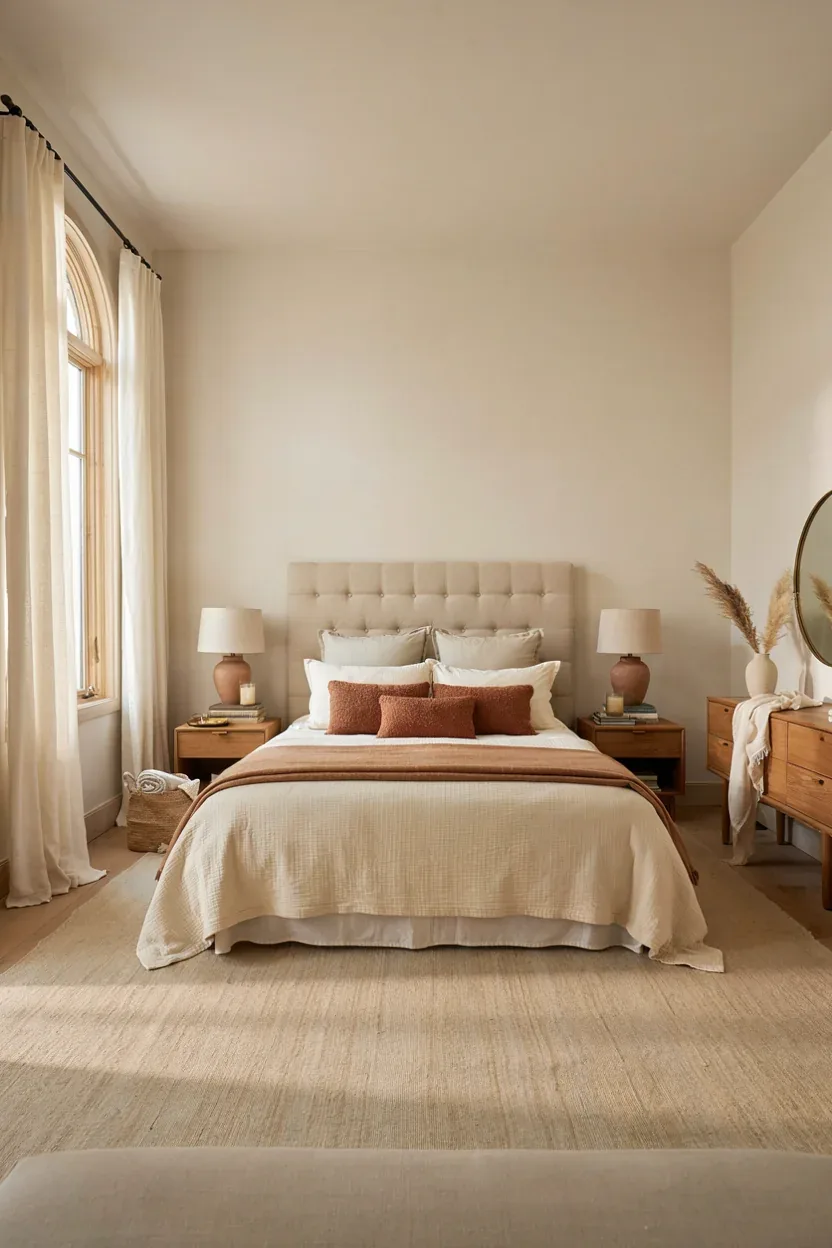
Slide the rug under the lower two-thirds of the bed, allowing plenty of rug to extend beyond the foot and both sides. Your headboard and part of the bed stay off the rug while the sleeping area still feels grounded.
This layout works beautifully because it balances comfort and practicality.
Cover the Entire Bed Area
If you have a spacious bedroom and a larger budget, place the entire bed and both nightstands on one oversized rug.
The room instantly feels more luxurious. Everything appears intentional instead of pieced together.
Just make sure the rug extends well beyond the furniture instead of stopping right at the edges.
Place the Rug at the Foot of the Bed
Working with a smaller rug?
Position it horizontally across the foot of the bed. This approach adds texture and color without requiring a massive rug.
It’s also a smart solution for smaller bedrooms where every inch counts.
Every bedroom has its own personality. What works in one room might look strange in another.
Small Bedrooms
Avoid oversized rugs that swallow the room.
Instead:
Let the rug extend mainly from the lower half of the bed.
Keep walkways open.
Choose lighter colors to make the room feel bigger.
Large Bedrooms
Large bedrooms often suffer from empty-floor syndrome.
A generously sized rug helps fill that visual gap and creates a cozy sleeping zone. Add a reading chair or bench on the rug if space allows.
Beds Against a Wall
Not every bedroom allows perfect symmetry.
If one side of the bed sits against a wall, focus on exposing the rug where people actually walk. Nobody admires hidden rug corners tucked behind furniture.
Even stylish bedrooms can fall victim to a few common rug mistakes.
Avoid these whenever possible:
Choosing a rug that’s too small.
Placing the rug unevenly beneath the bed.
Letting only a tiny strip peek out.
Ignoring walking areas.
Picking patterns that clash with bedding.
Forgetting to use a rug pad.
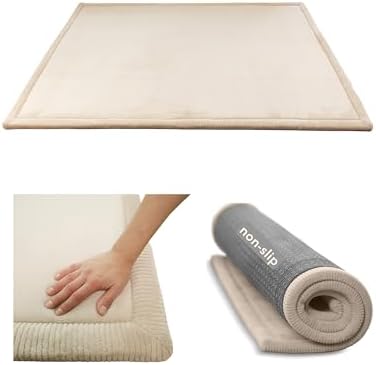
A rug pad might not sound exciting, but it prevents slipping, protects your floors, and helps your rug last longer. Not exactly glamorous, but very useful.
Not necessarily. Most designers recommend placing the rug under the lower two-thirds of the bed because it provides excellent balance while using a more practical rug size.
How much rug should stick out on each side?
Aim for 18 to 24 inches on both sides whenever possible. This creates visual symmetry and gives you a soft place to step.
Can I use a small rug under a queen bed?
Yes, but don’t place it directly under the entire bed. Position a smaller rug at the foot of the bed or layer it over a larger neutral rug for a stylish look.
Should nightstands sit on the rug?
If you use a large rug, placing both the bed and nightstands on it creates a cohesive appearance. With medium-sized rugs, leave the nightstands off the rug and position it beneath the lower portion of the bed.
What rug shape works best?
Rectangular rugs remain the easiest choice because they match the shape of most beds and bedrooms. Round rugs can work as accent pieces, but they rarely anchor the bed as effectively.
Conclusion
The perfect bedroom rug doesn’t just add color or softness—it brings the entire room together. Focus on proper sizing, balanced placement, and a style that complements your furniture instead of competing with it. Get those basics right, and your bedroom instantly feels warmer, more inviting, and far more put together without a full redesign.
Listen to this article 10 10 0:00 / 0:00 Speed 0.75×1×1.25×1.5×2× Your bedroom should feel like a place that tells your story, not a furniture showroom that copied the same look from every catalog. That’s where the eclectic bedroom aesthetic shines. It mixes colors, textures, eras, and personal treasures into one cozy, stylish retreat. The…
Listen to this article 10 10 0:00 / 0:00 Speed 0.75×1×1.25×1.5×2× Blue and white bedrooms never go out of style, and honestly, it’s easy to see why. The combo feels crisp, calming, and just fancy enough without trying too hard. Whether you love coastal spaces, modern vibes, or cozy cottage charm, these ideas prove blue…
Listen to this article 10 10 0:00 / 0:00 Speed 0.75×1×1.25×1.5×2× Nothing beats walking into a bedroom that feels warm, calm, and ridiculously cozy after a long day. The right lighting can turn even the most basic room into a soft little nighttime retreat. And no, you don’t need a luxury designer setup or a…
Listen to this article 10 10 0:00 / 0:00 Speed 0.75×1×1.25×1.5×2× Your bedroom should feel like your space — not a random mix of leftover furniture and a mattress on the floor (we’ve all been there). The right design can instantly level things up, making your room feel sharper, calmer, and honestly… way more impressive….
Listen to this article 10 10 0:00 / 0:00 Speed 0.75×1×1.25×1.5×2× Good mens room decor bedroom ideas don’t require a full renovation or a designer’s budget. Most of the time, a modern masculine bedroom comes down to a handful of deliberate choices — the right material palette, layered lighting, and a few personal touches —…
Listen to this article 10 10 0:00 / 0:00 Speed 0.75×1×1.25×1.5×2× Ready to ditch the boring and go bold? These black and white bedroom ideas are simple, chic, and Black and White Room Decor Bedroom Ideas: 9 Ways to Style a Modern Monochrome Bedroom A well-executed black and white bedroom is one of the most…







Good Article