Dark Ceiling Design Tips for Creating a Bold and Sophisticated Interior Look That Wows
Want a room that feels dramatic, luxurious, and anything but boring? Look up. Seriously. While most people obsess over wall colors and furniture, a dark ceiling can completely transform a space and give it that designer-approved wow factor.
The best part? Dark ceilings aren’t just for ultra-modern mansions or trendy hotels. With the right approach, they can make almost any room feel richer, cozier, and more sophisticated.
Why Dark Ceilings Make Such a Big Impact
Most homes follow the same formula: light ceiling, light walls, and predictable design choices. A dark ceiling breaks that pattern instantly.
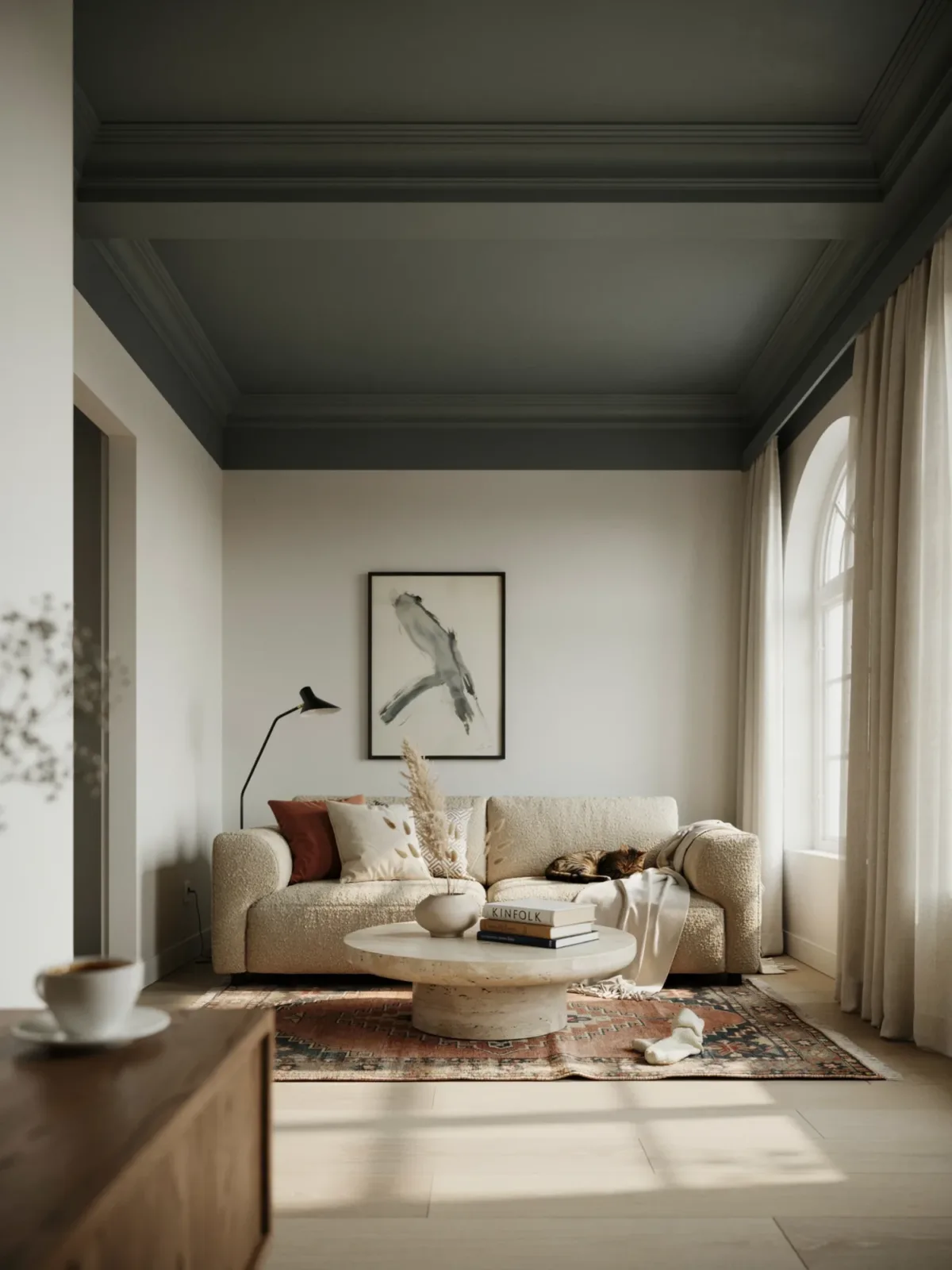
When you paint the ceiling a deep shade, you create visual interest where people least expect it. The ceiling becomes part of the design instead of fading into the background.
Dark ceilings also help:
- Add depth to a room
- Create a cozy atmosphere
- Highlight architectural details
- Make large spaces feel more intimate
- Deliver a custom, high-end look
IMO, it’s one of the most underrated design tricks out there.
Choose the Right Dark Color
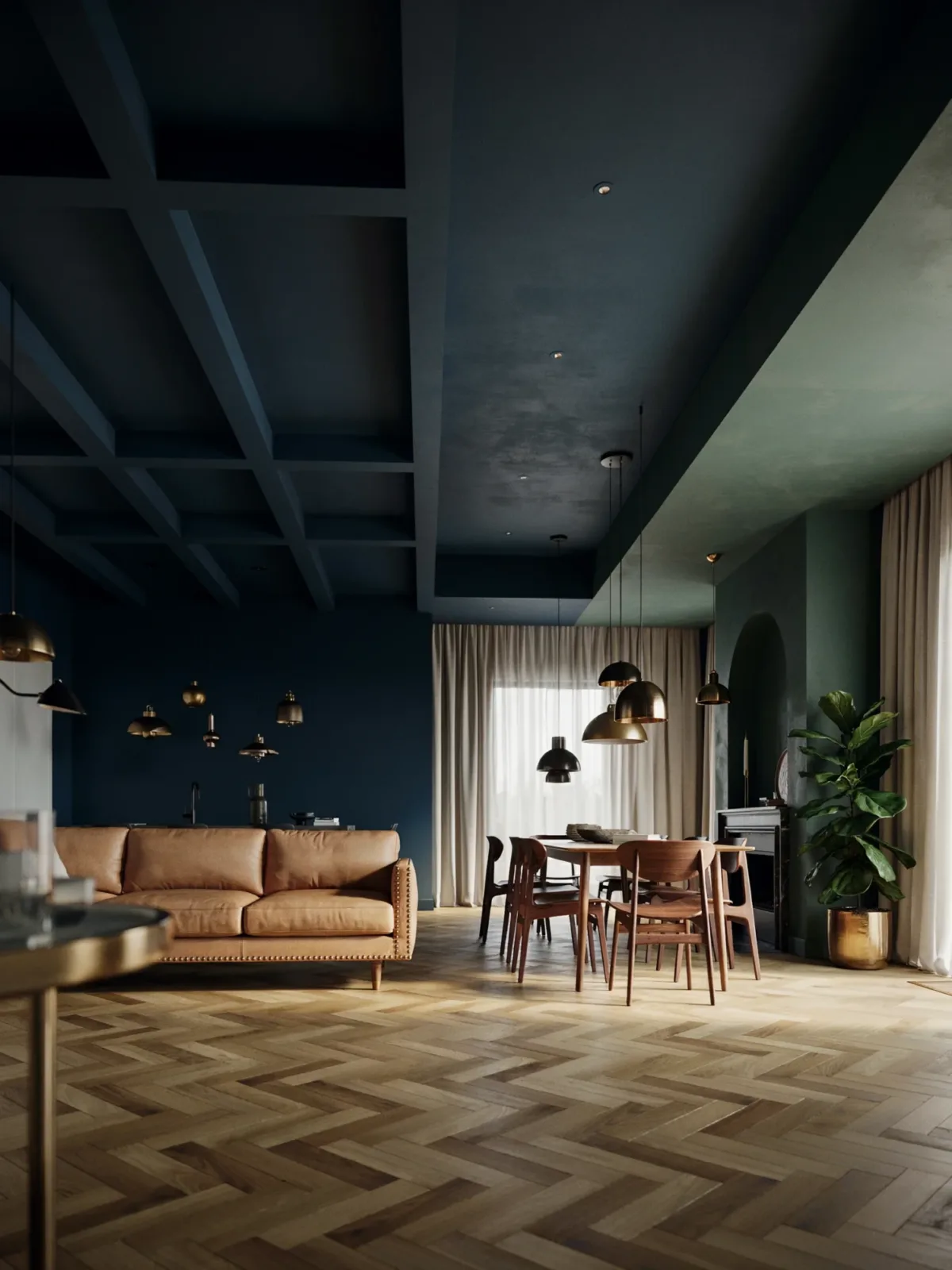
Not all dark colors create the same mood. The shade you choose can completely change how the room feels.
Deep Black for Maximum Drama
Black ceilings create a bold statement. They work especially well in dining rooms, home theaters, offices, and modern living rooms.
Pair black with warm wood tones, brass accents, and layered lighting for a sophisticated look.
Charcoal Gray for Versatility
Charcoal offers much of the drama of black without feeling quite as intense.
It’s a fantastic choice if you want something elegant but slightly softer. Charcoal also pairs beautifully with white walls and contemporary furniture.
Navy Blue for Timeless Elegance
A navy ceiling brings richness and depth without feeling overly dark.
This color works particularly well in bedrooms, libraries, and formal dining spaces. It feels classic, polished, and surprisingly calming.
Rich Green for a Designer Feel
Deep forest green ceilings have become increasingly popular in luxury interiors.
They add warmth, connect beautifully with natural materials, and create a unique look that feels both trendy and timeless.
Balance the Ceiling With the Rest of the Room
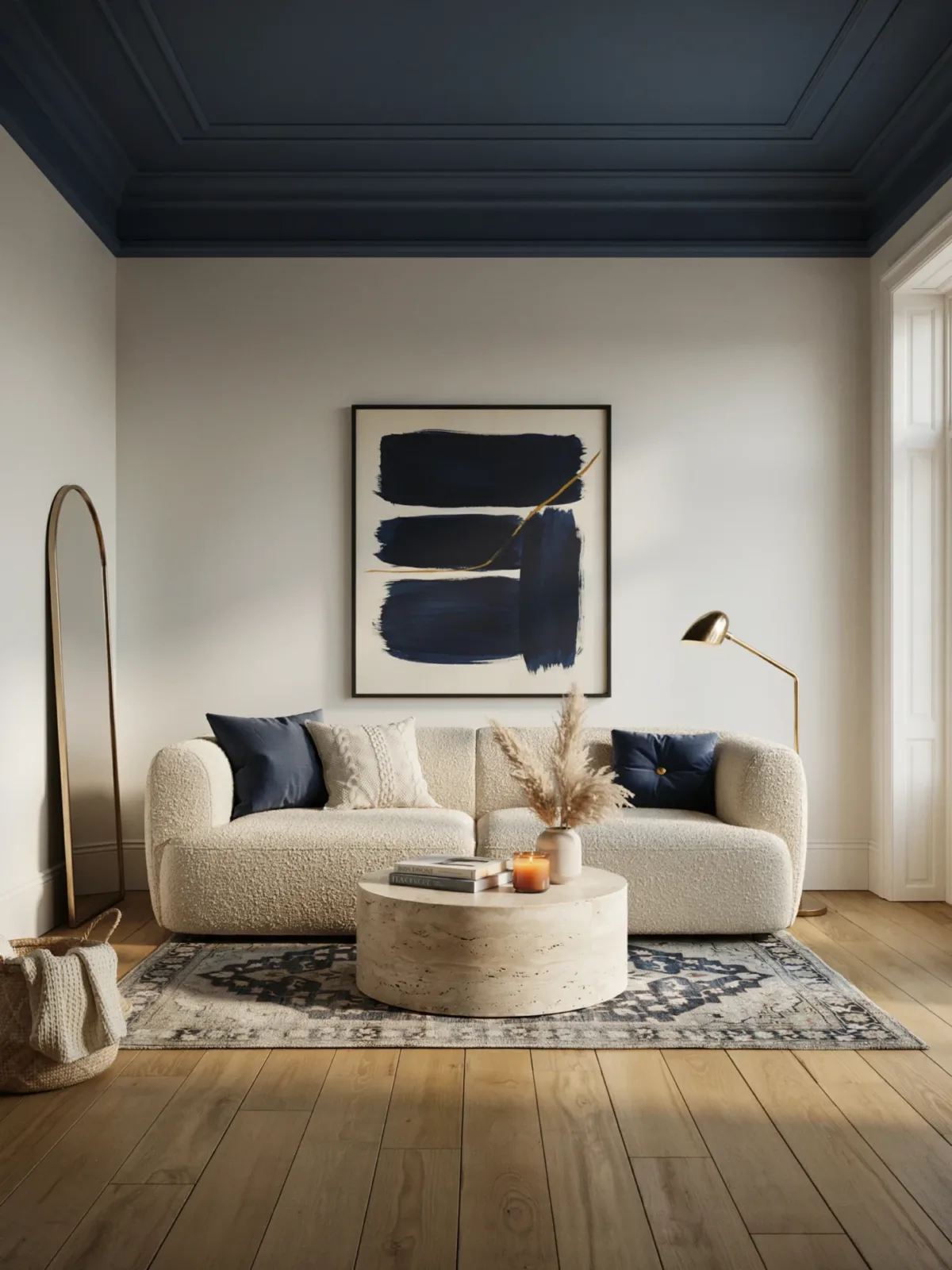
A dark ceiling shouldn’t fight with the rest of your design. It should work as part of a cohesive plan.
Think about contrast. If your ceiling goes dark, lighter walls often create a beautiful balance.
Some great combinations include:
- Black ceiling + warm white walls
- Charcoal ceiling + soft beige walls
- Navy ceiling + light gray walls
- Forest green ceiling + creamy neutral walls
You can also repeat your ceiling color in smaller details throughout the room. Throw pillows, artwork, rugs, and decorative accessories help tie everything together.
Use Lighting Like a Designer
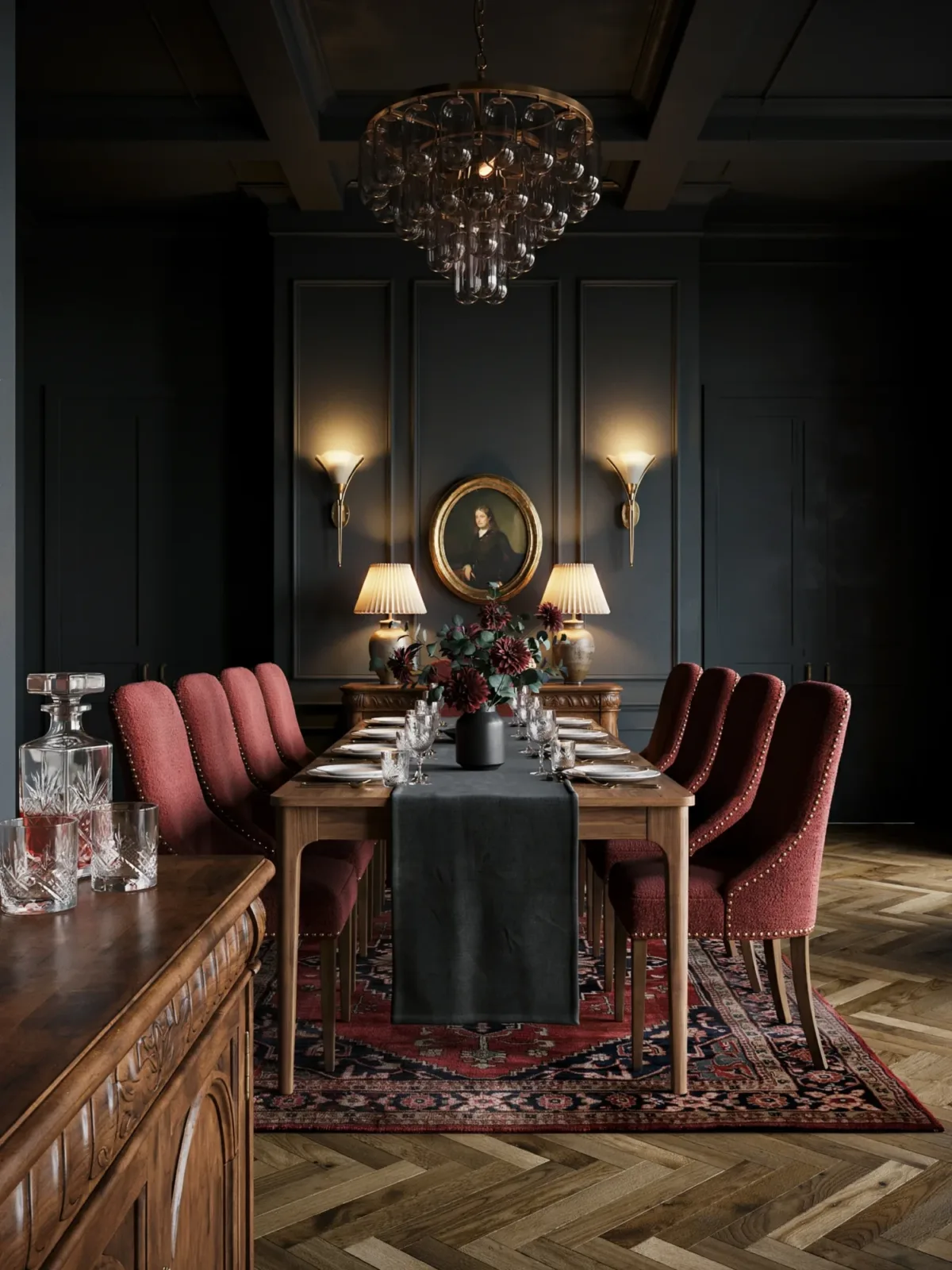
Here’s where many people get nervous. Won’t a dark ceiling make the room feel gloomy?
Only if you ignore the lighting.
Layer Different Light Sources
Don’t rely on a single overhead fixture.
Instead, combine:
- Ceiling fixtures
- Table lamps
- Floor lamps
- Wall sconces
- Accent lighting
Multiple light sources create dimension and prevent the room from feeling flat.
Choose Warm Lighting
Warm white bulbs usually complement dark ceilings better than cool white lighting.
The warmer glow softens the drama and makes the space feel welcoming instead of harsh.
Highlight Architectural Features
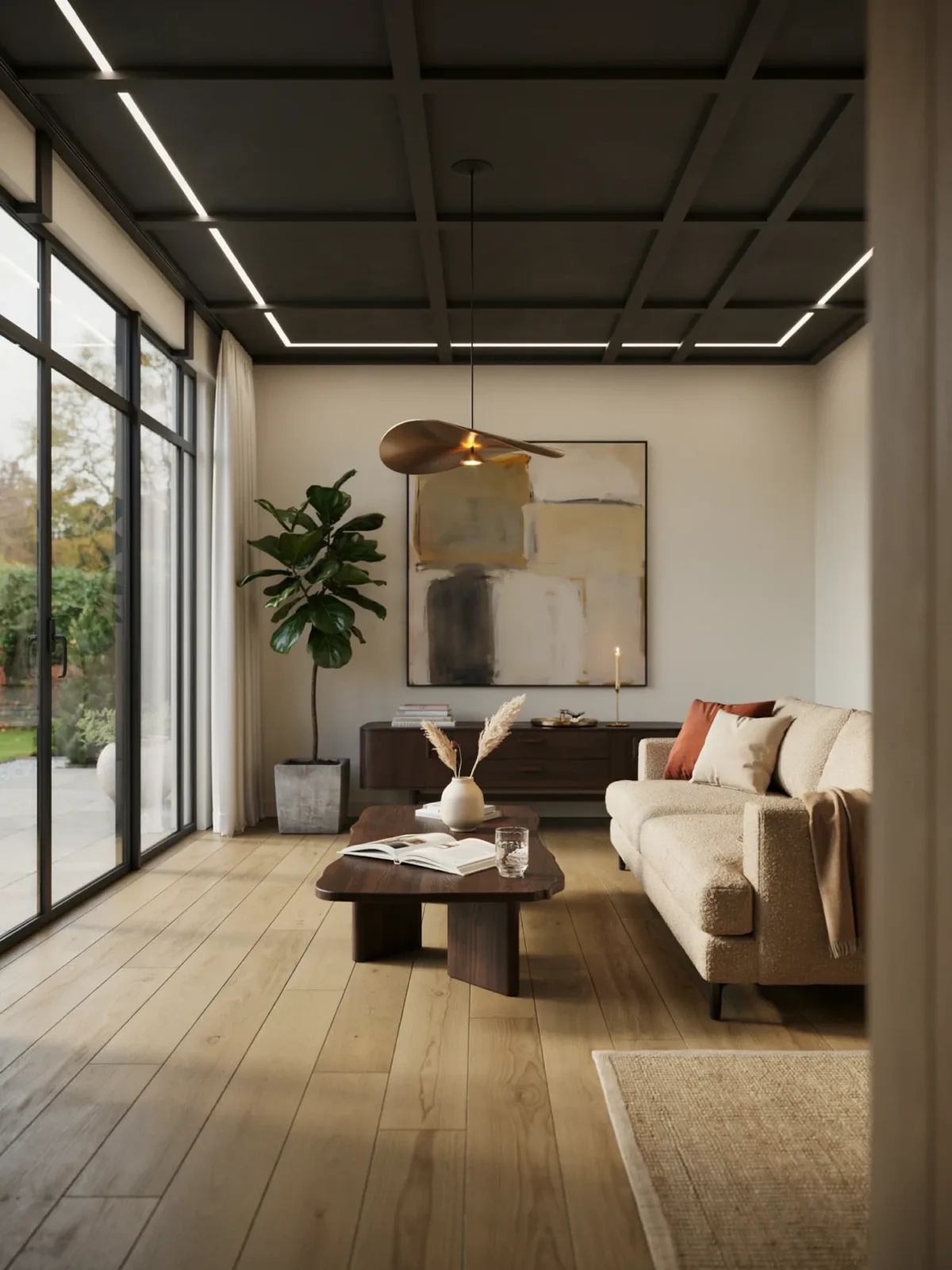
Got exposed beams? Crown molding? Coffered ceilings?
A dark paint color can make these details stand out beautifully, especially when paired with strategic lighting.
Consider the Room’s Size and Height
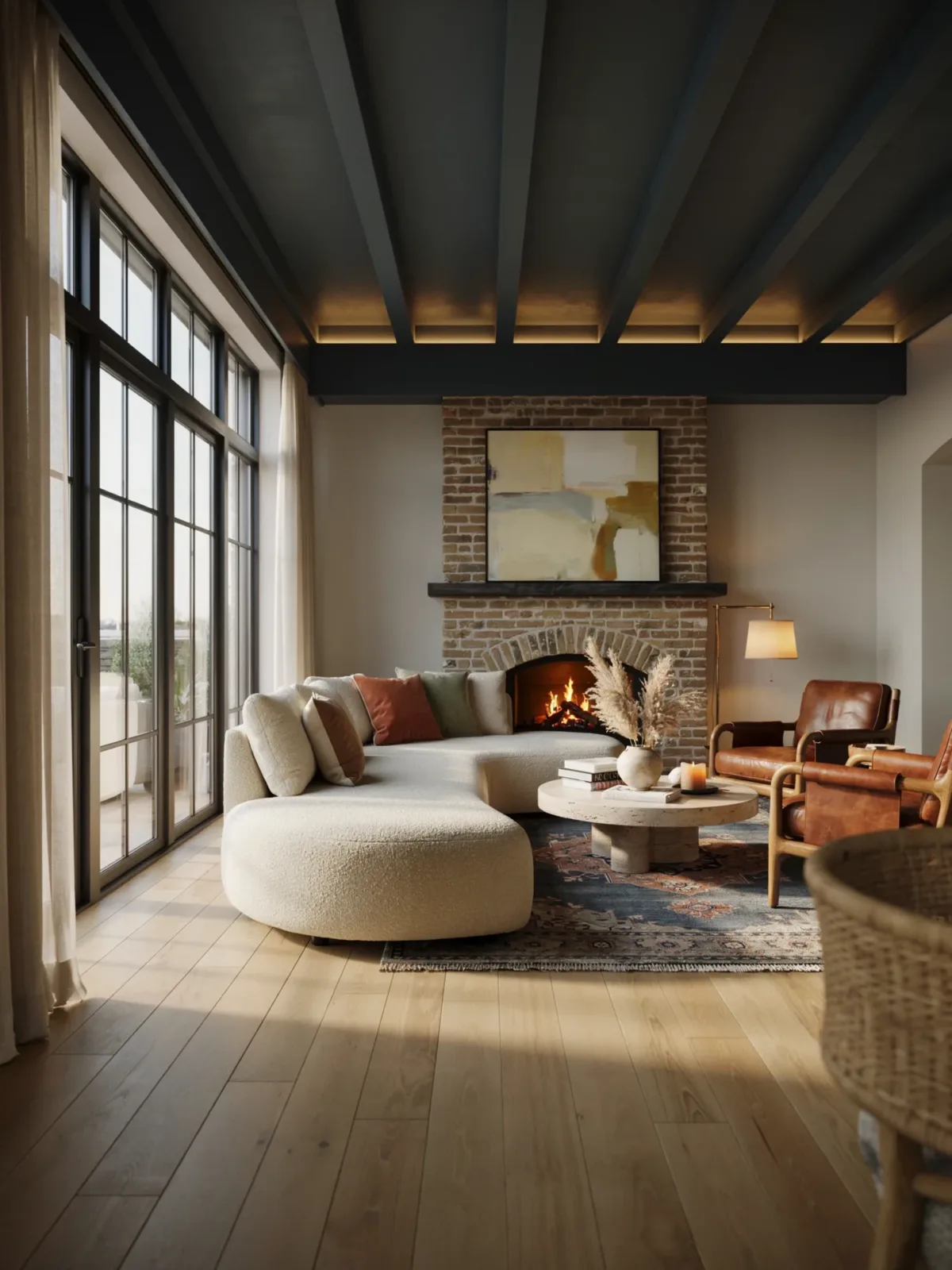
You’ve probably heard people say dark colors make rooms feel smaller. That’s only part of the story.
In some situations, dark ceilings actually improve a room’s proportions.
High Ceilings Benefit the Most
Very tall rooms can sometimes feel cold or disconnected.
A dark ceiling visually lowers the ceiling plane and creates a more comfortable, human-scale environment.
Small Rooms Can Still Work
Yes, even smaller rooms can handle dark ceilings.
Powder rooms, reading nooks, home offices, and bedrooms often look fantastic with dramatic ceiling colors. The key lies in balancing the rest of the room with adequate light and thoughtful furnishings.
Sometimes embracing the coziness works better than fighting it.
Don’t Forget Texture and Finish
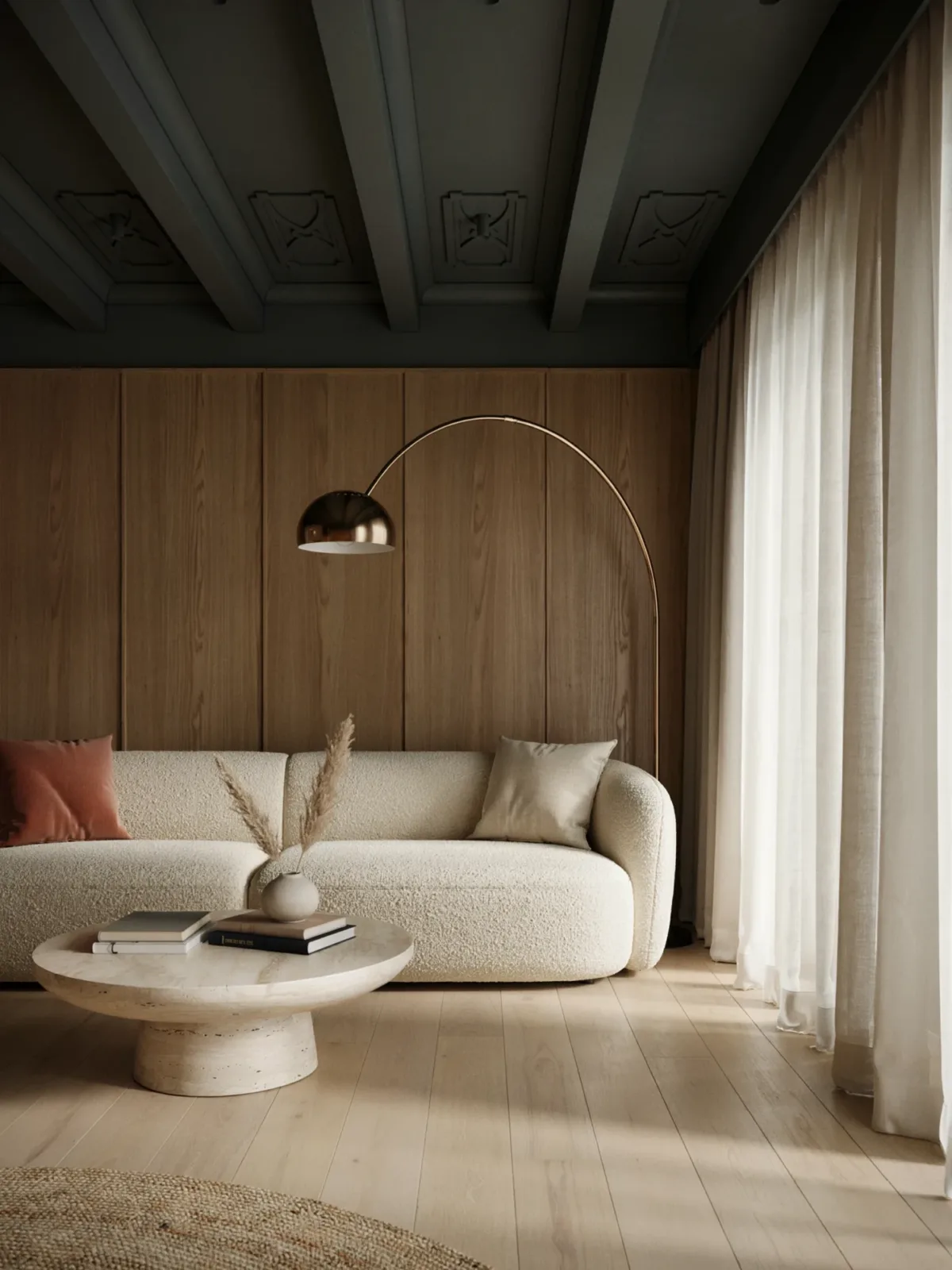
Color matters, but finish matters too.
A ceiling’s sheen can dramatically affect how the final design looks.
Matte Finishes Feel Sophisticated
Most designers prefer matte or flat finishes for dark ceilings.
These finishes absorb light rather than reflect it, creating a rich and velvety appearance.
Wood Adds Warmth
Dark-stained wood ceilings deliver incredible character.
Whether you use planks, beams, or paneling, wood introduces texture that keeps the room from feeling one-dimensional.
Wallpaper Can Create Drama
A dark wallpapered ceiling adds pattern and personality.
Think subtle metallic details, moody florals, geometric designs, or textured finishes that elevate the entire room.
FYI, wallpapered ceilings often become the most talked-about feature in a home.
Common Mistakes to Avoid
Dark ceilings can look amazing, but a few mistakes can ruin the effect.
Avoid these common pitfalls:
1. Using insufficient lighting
2. Choosing a color that clashes with existing finishes
3. Ignoring undertones in paint colors
4. Making every surface dark without contrast
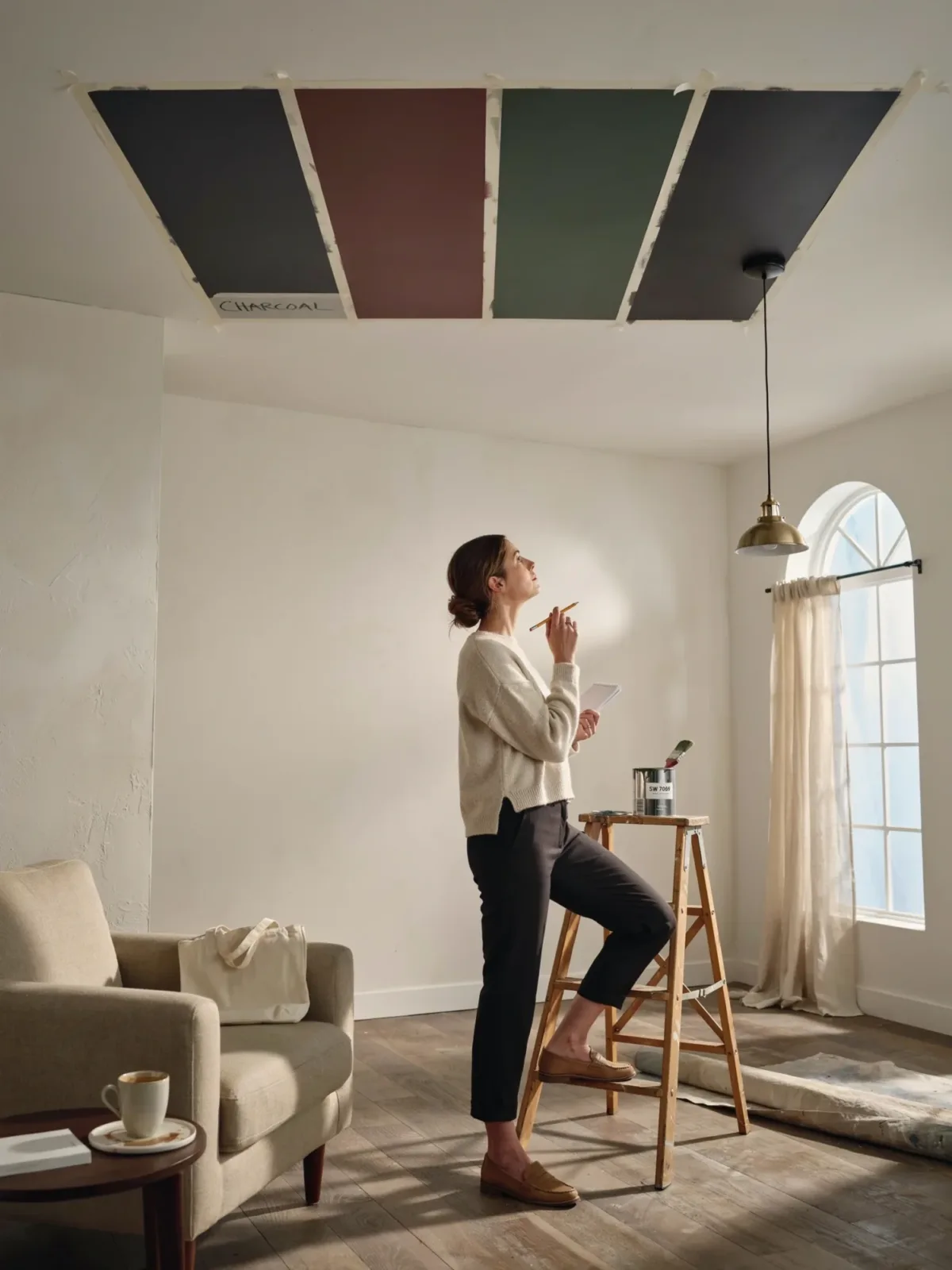
5. Forgetting to test paint samples first
Always paint large test swatches and observe them throughout the day. Morning light and evening light can make the same color look completely different.
FAQ
Do dark ceilings make rooms look smaller?
Not necessarily. Dark ceilings can actually improve proportions in rooms with high ceilings. In smaller spaces, they often create a cozy and intentional atmosphere rather than making the room feel cramped.
What is the best dark ceiling color?
That depends on your style. Black offers maximum drama, charcoal provides versatility, navy feels timeless, and deep green delivers a designer-inspired look.
Should I paint the ceiling and walls the same dark color?
You can. Color-drenched rooms feel bold, immersive, and luxurious. However, many homeowners prefer lighter walls to create contrast and balance.
Are dark ceilings good for bedrooms?
Absolutely. Dark ceilings can make bedrooms feel cozy, relaxing, and cocoon-like, which many people find ideal for sleep and relaxation.
What finish works best for dark ceilings?
Matte and flat finishes generally work best because they minimize glare and create a smoother, more sophisticated appearance.
Can dark ceilings work in traditional homes?
Yes. Dark ceilings complement traditional, farmhouse, transitional, and contemporary interiors. The key is selecting a color and finish that support the home’s overall style.
Conclusion
A dark ceiling can completely change the personality of a room. It adds drama, sophistication, depth, and a custom-designed feel that standard white ceilings simply can’t match.
Whether you choose black, charcoal, navy, or deep green, success comes down to balance. Pair your ceiling with thoughtful lighting, complementary colors, and plenty of texture. Do that, and you’ll create a space that feels bold, polished, and impossible to forget.