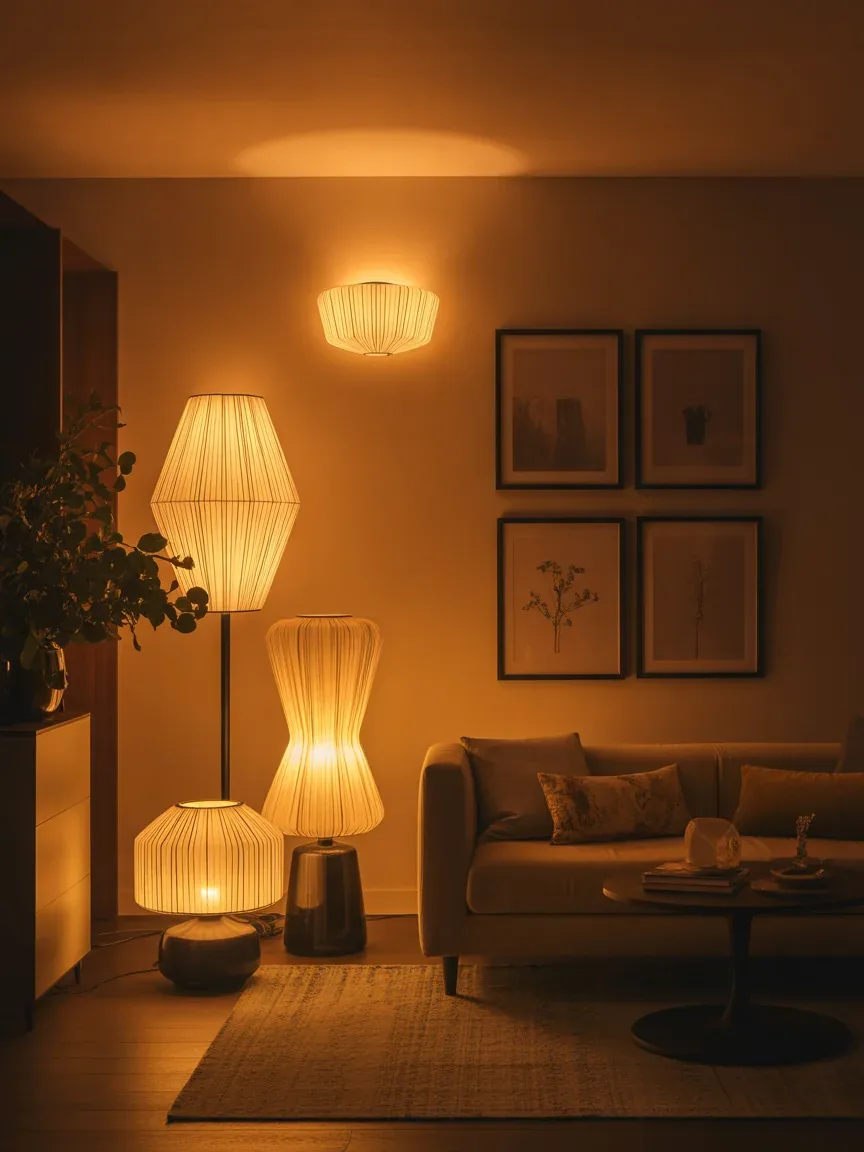
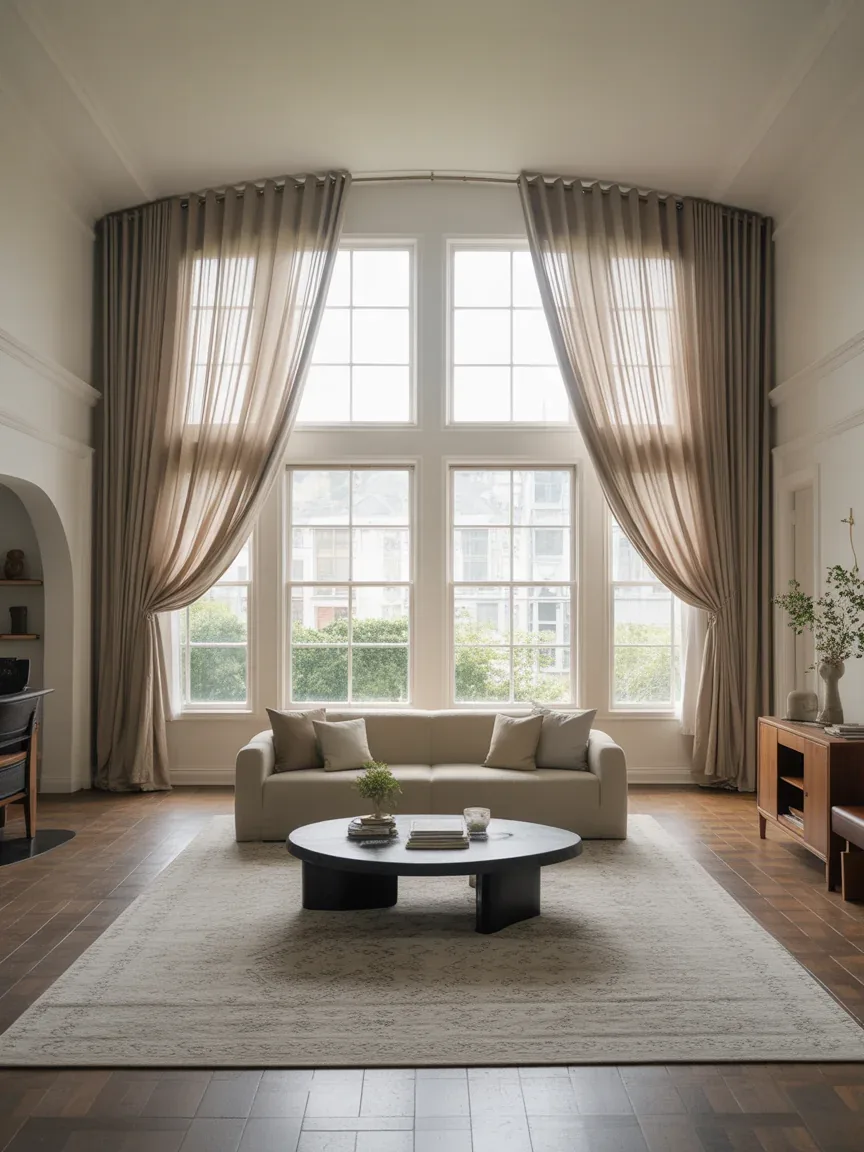
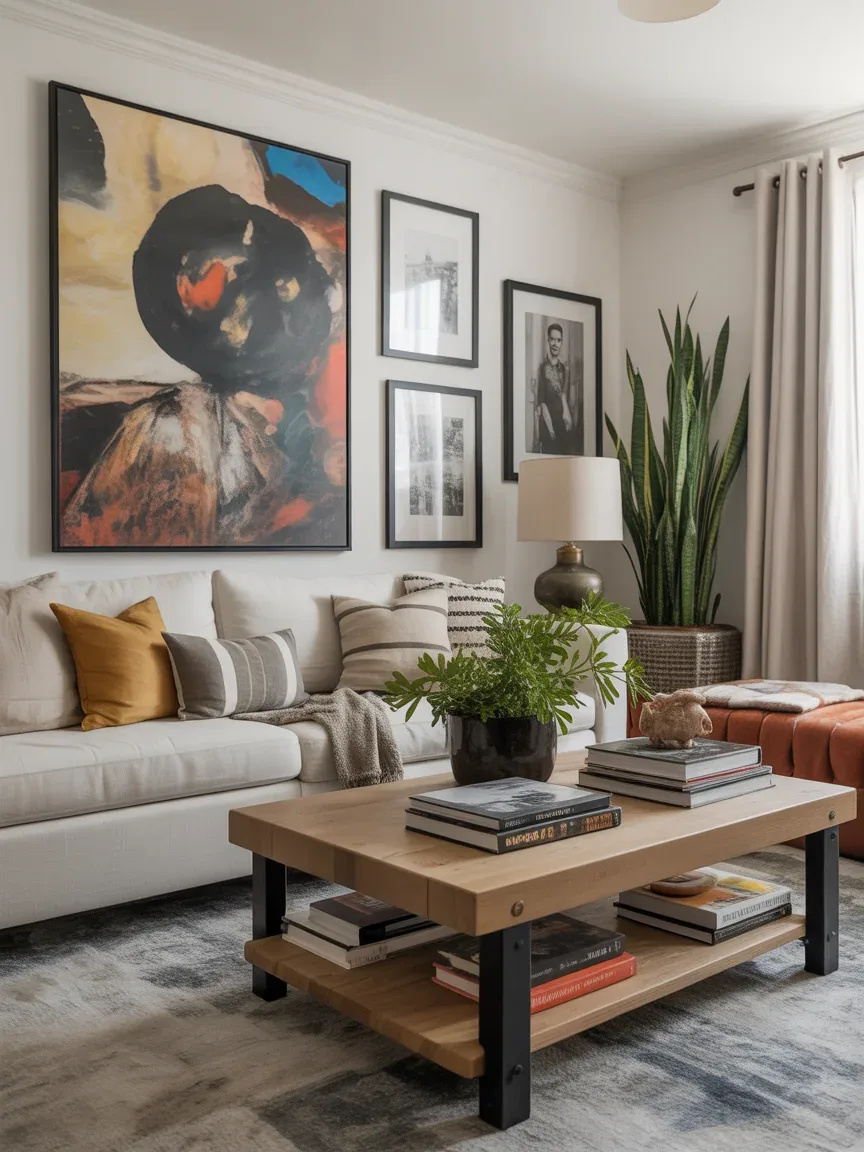
Your living room does a lot of heavy lifting. It hosts movie nights, random naps, coffee-fueled conversations, and sometimes even your laundry pile. So yeah, it deserves more than a sad couch and a TV shoved against the wall. The good news? You don’t need an interior design degree or a celebrity-sized budget to create a space that looks amazing and actually works for daily life. A few smart choices can completely change the vibe. Start With the Layout Before Buying Anything People love buying decor first. Big mistake. Huge. If your layout feels awkward, no trendy lamp will save the room. Photo by Kelly Sikkema on Unsplash Think about how you actually use the space. Do you host friends often? Need room for kids to play? Want a cozy spot to binge-watch shows for six straight hours? Be honest with yourself. Arrange furniture around a clear focal point like: A fireplace A large window The TV A statement coffee table An accent wall Avoid pushing every piece against the walls unless your room feels tiny. Pulling furniture inward creates a warmer, more intentional setup. Photo by Walls.io on Unsplash Leave Breathing Room Your living room shouldn’t feel like a furniture showroom where you need parkour skills to walk through it. Try to keep: 18 inches between the coffee table and sofa Clear walking paths Enough space for doors and drawers to open comfortably Function matters just as much as style. Honestly, maybe more. Photo by Money Knack on Unsplash Choose a Color Palette That Feels Cohesive A stylish living room usually sticks to a simple, consistent color palette. That doesn’t mean boring beige everything. It just means your colors should work together instead of fighting for attention. A safe formula: 60% main color 30% secondary color 10% accent color Neutral bases work well because they give you flexibility. Think warm white, taupe, gray, olive, or soft beige. Then layer in personality through pillows, art, rugs, and decor. Don’t Ignore Texture Texture adds depth faster than color ever will. Mix materials like: Linen Velvet Leather Wood Metal Woven fabrics A room with different textures instantly feels richer and more inviting. IMO, this matters way more than buying expensive furniture. Invest in the Right Sofa Your sofa sets the tone for the entire living room. It’s basically the main character. Pick one that fits your lifestyle first and aesthetics second. White boucle looks gorgeous online, but if you have kids, pets, or snack-related trust issues? Proceed carefully. Here’s what works best: Deep sofas for lounging Performance fabrics for durability Neutral colors for flexibility Clean lines for a timeless look Sectionals work great for larger families or open spaces. Smaller rooms usually benefit from compact sofas with raised legs since they create a lighter visual feel. Add Accent Chairs for Balance Accent chairs make a room feel complete without much effort. They also create extra seating without making things feel crowded. Try: A leather chair for warmth A curved chair for softness A patterned chair for personality Mixing styles keeps the room from looking too staged. Nobody wants their home to feel like a furniture catalog. Layer Lighting Like a Pro One overhead light in the center of the room? That’s the fastest way to make your living room feel like a waiting area. Layered lighting creates mood, warmth, and flexibility. Use three types: Ambient lighting for overall brightness Task lighting for reading or working Accent lighting for atmosphere A combination of floor lamps, table lamps, sconces, and warm bulbs makes a huge difference. Warm Lighting Wins Every Time Cool white lighting feels harsh in living rooms. Go for warm white bulbs around 2700K instead. Your space will instantly feel: Cozier Softer More relaxing Less like a dentist office Tiny change. Massive payoff. Use Rugs and Curtains to Anchor the Space A rug ties the entire room together. Without one, furniture can look like it’s floating awkwardly around the room. The biggest mistake people make? Buying rugs that are way too small. At minimum: Front legs of furniture should sit on the rug Larger rugs usually make rooms feel bigger Layering rugs adds visual interest Curtains matter too. Hang them higher and wider than the window frame to make ceilings appear taller and windows look larger. Yes, it’s basically a visual illusion. And yes, it works ridiculously well. Add Personality Without Creating Clutter This part separates stylish living rooms from random storage zones pretending to be stylish. Decor should feel personal, not excessive. Choose pieces that actually mean something: Travel finds Framed photos Books you genuinely read Vintage pieces Meaningful artwork Leave some empty space too. Every shelf doesn’t need twenty tiny objects fighting for survival. Follow the “One Statement Piece” Rule Every room benefits from one eye-catching feature. Examples: Oversized artwork A dramatic light fixture A bold coffee table A colorful sofa A giant mirror When everything screams for attention, nothing stands out. Make Storage Look Stylish Functional spaces need storage. Period. But storage doesn’t have to look boring or bulky. Try: Storage ottomans Floating shelves Baskets Console cabinets Built-in shelving Hidden storage works especially well in smaller living rooms. You can stash blankets, remotes, board games, or that mysterious charger drawer everyone somehow owns. Keep Surfaces Mostly Clear A cluttered coffee table instantly makes the whole room feel messy. Stick to a few curated items: A candle A small tray A stack of books A plant That’s it. Your table doesn’t need to hold your entire personality. Bring Life Into the Room With Plants Plants make living rooms feel fresh and alive. Even one decent-sized plant can completely soften a space. Easy options include: Snake plants Pothos Rubber plants ZZ plants Not great with plants? Fake ones look surprisingly realistic now. We’ve all evolved. Just avoid tiny fake plants that look aggressively plastic. FAQ How do I make a small living room look bigger? Use lighter colors, larger rugs, mirrors, and furniture with exposed legs. Keep clutter minimal and avoid oversized furniture that overwhelms the space. What’s the best color for a living room? Neutral shades like warm white, beige, soft gray, and olive work beautifully because they stay timeless and flexible. Add personality through accents and decor. How much furniture should a living room have? Only include what you actually use. A sofa, coffee table, and a couple of extra seating options usually work well. Overfilling the room makes it feel cramped fast. Should my living room match the rest of my house? It should feel connected, not identical. Repeat certain colors, materials, or styles throughout your home for a cohesive look without making every room feel cloned. What’s the easiest way to update a living room cheaply? Swap pillows, add a rug, change lighting, rearrange furniture, and bring in plants. Small updates often create the biggest visual impact. Conclusion A stylish and functional living room doesn’t happen because you bought expensive furniture or copied a Pinterest board perfectly. It works because the space fits your life while still looking polished and inviting. Focus on layout, comfort, lighting, and personality first. The trendy stuff can come later. And honestly? A living room people actually want to relax in will always beat one that just looks good in photos.
Your living room does a lot of heavy lifting. It hosts movie nights, random naps, coffee-fueled conversations, and sometimes even your laundry pile. So yeah, it deserves more than a sad couch and a TV shoved against the wall.
The good news? You don’t need an interior design degree or a celebrity-sized budget to create a space that looks amazing and actually works for daily life. A few smart choices can completely change the vibe.
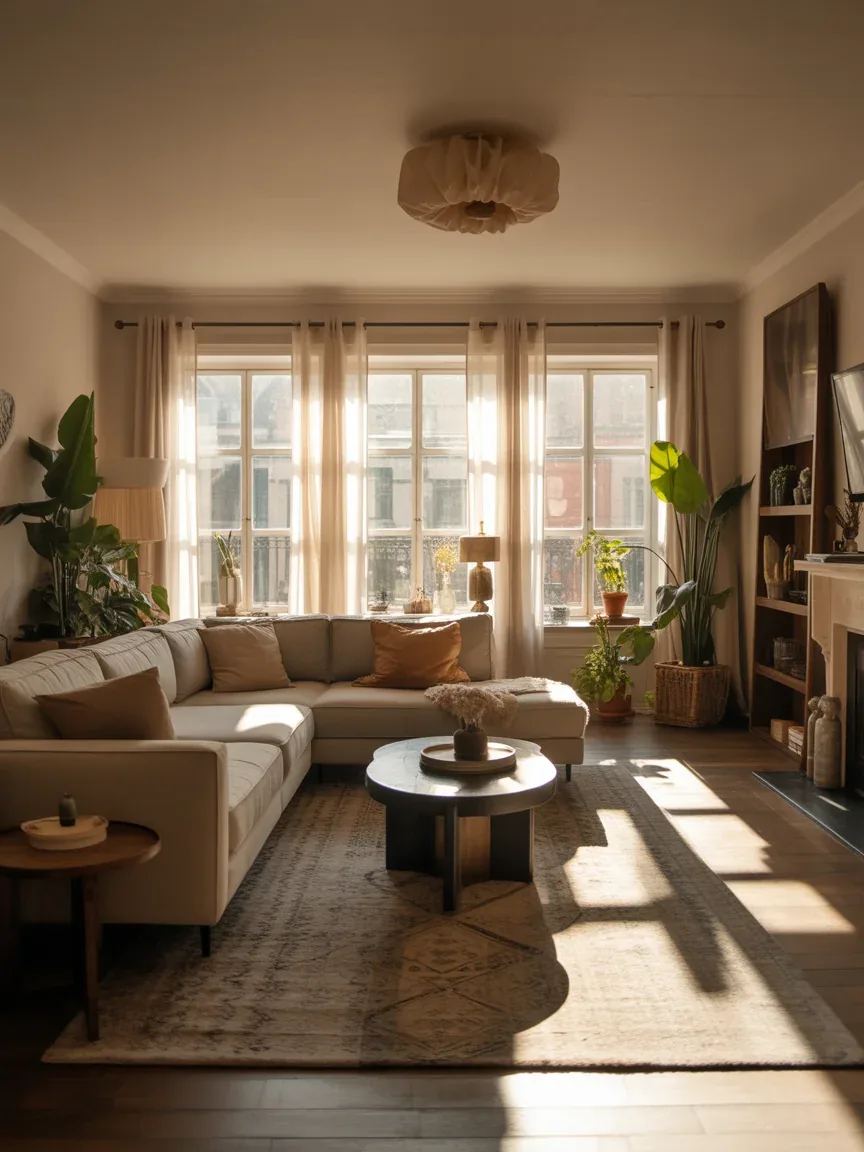
Think about how you actually use the space. Do you host friends often? Need room for kids to play? Want a cozy spot to binge-watch shows for six straight hours? Be honest with yourself.
Arrange furniture around a clear focal point like:
A fireplace
A large window
The TV
A statement coffee table
An accent wall
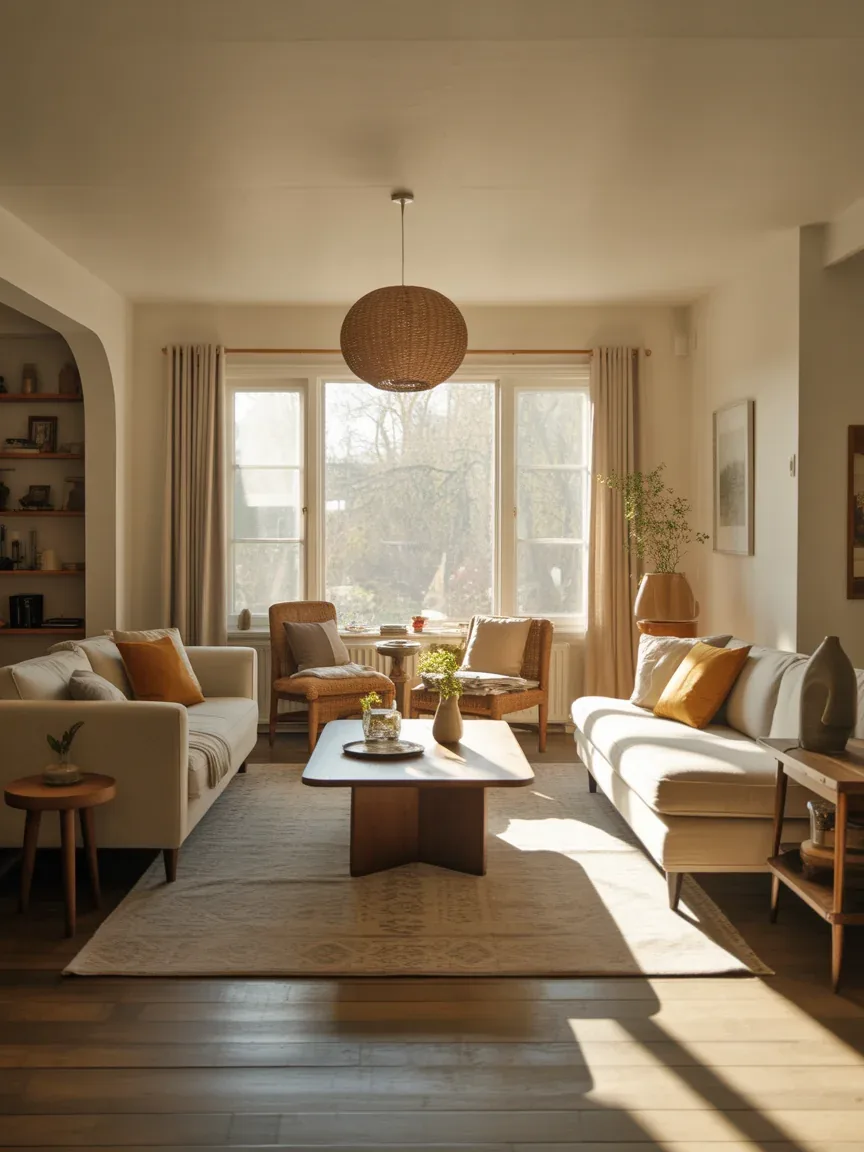
Avoid pushing every piece against the walls unless your room feels tiny. Pulling furniture inward creates a warmer, more intentional setup.
A stylish living room usually sticks to a simple, consistent color palette. That doesn’t mean boring beige everything. It just means your colors should work together instead of fighting for attention.
A safe formula:
60% main color
30% secondary color
10% accent color
Neutral bases work well because they give you flexibility. Think warm white, taupe, gray, olive, or soft beige. Then layer in personality through pillows, art, rugs, and decor.
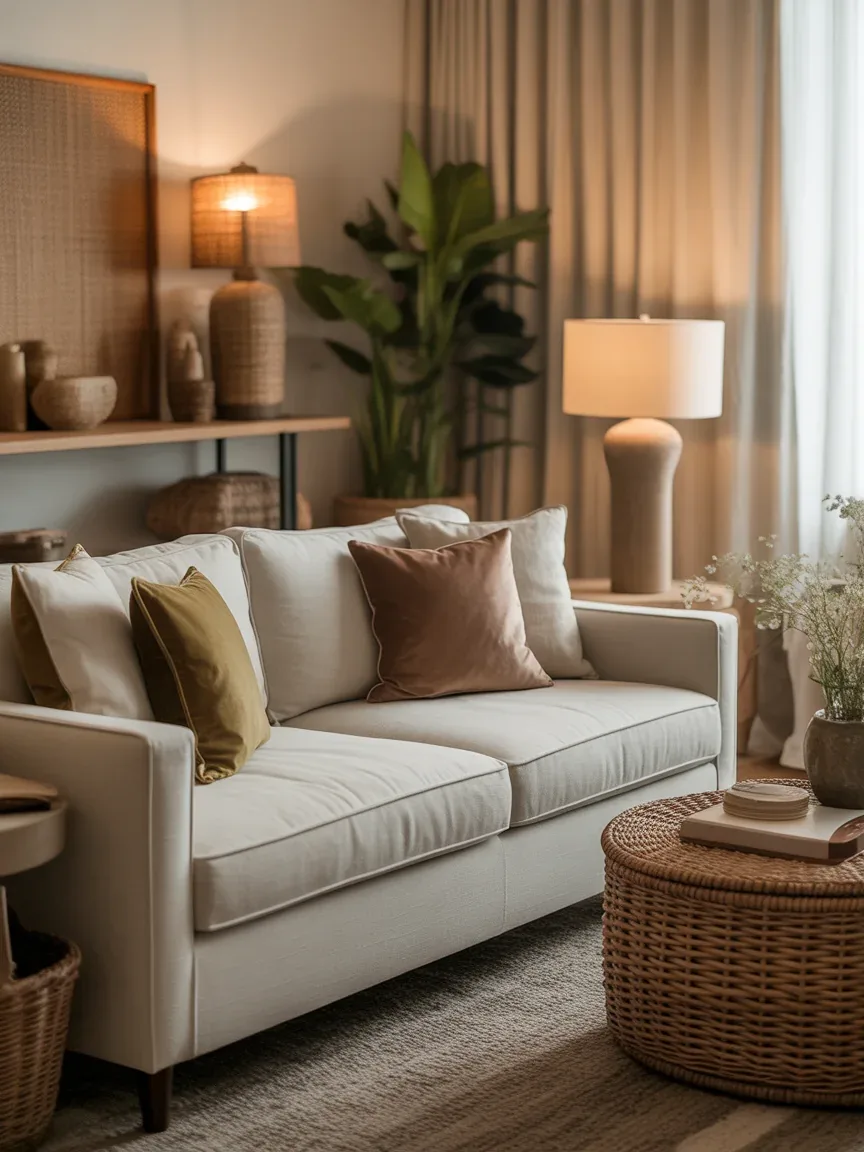
Your sofa sets the tone for the entire living room. It’s basically the main character.
Pick one that fits your lifestyle first and aesthetics second. White boucle looks gorgeous online, but if you have kids, pets, or snack-related trust issues? Proceed carefully.
Here’s what works best:
Deep sofas for lounging
Performance fabrics for durability
Neutral colors for flexibility
Clean lines for a timeless look
Sectionals work great for larger families or open spaces. Smaller rooms usually benefit from compact sofas with raised legs since they create a lighter visual feel.
Add Accent Chairs for Balance
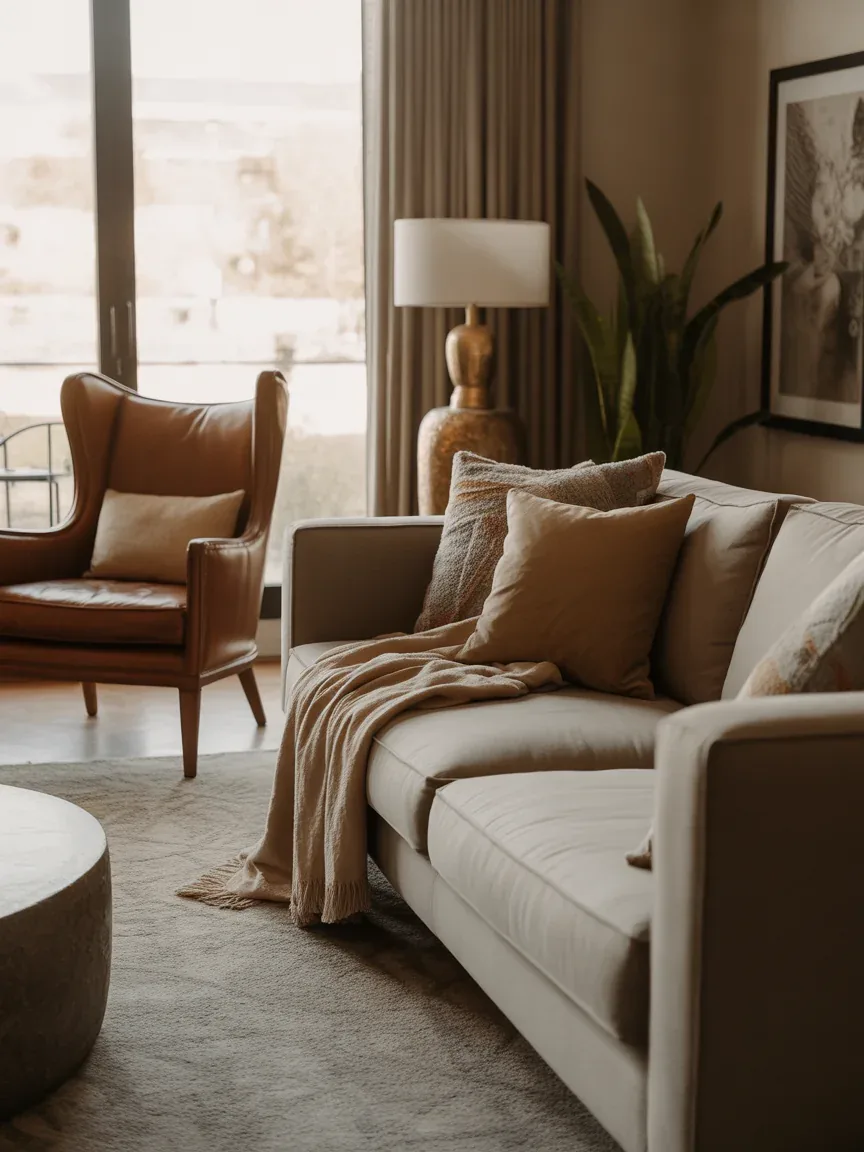
Accent chairs make a room feel complete without much effort. They also create extra seating without making things feel crowded.
Try:
A leather chair for warmth
A curved chair for softness
A patterned chair for personality
Mixing styles keeps the room from looking too staged. Nobody wants their home to feel like a furniture catalog.
Hidden storage works especially well in smaller living rooms. You can stash blankets, remotes, board games, or that mysterious charger drawer everyone somehow owns.
Keep Surfaces Mostly Clear
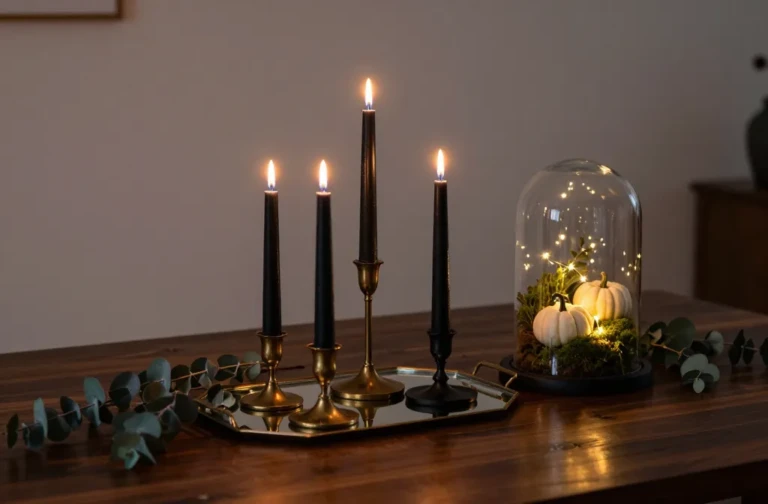
A cluttered coffee table instantly makes the whole room feel messy.
Stick to a few curated items:
A candle
A small tray
A stack of books
A plant
That’s it. Your table doesn’t need to hold your entire personality.
Bring Life Into the Room With Plants
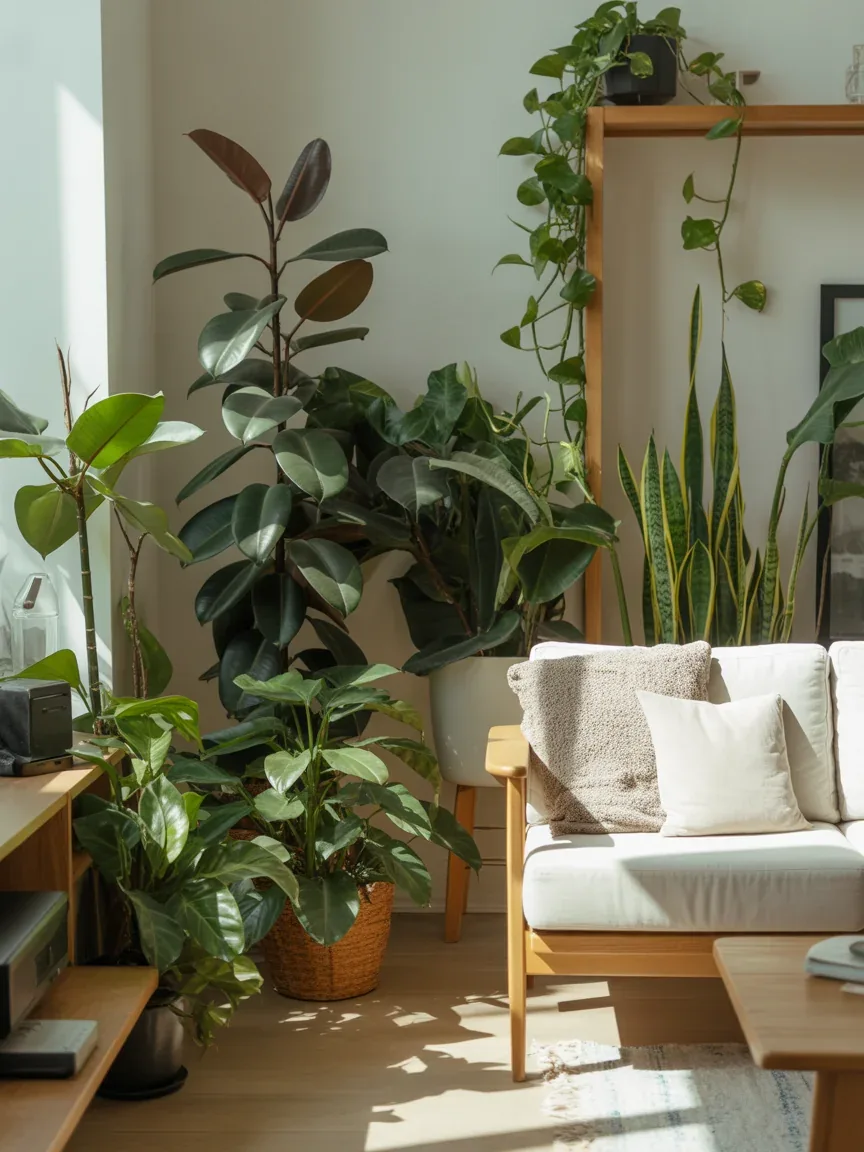
Plants make living rooms feel fresh and alive. Even one decent-sized plant can completely soften a space.
Easy options include:
Snake plants
Pothos
Rubber plants
ZZ plants
Not great with plants? Fake ones look surprisingly realistic now. We’ve all evolved.
Just avoid tiny fake plants that look aggressively plastic.
FAQ
How do I make a small living room look bigger?
Use lighter colors, larger rugs, mirrors, and furniture with exposed legs. Keep clutter minimal and avoid oversized furniture that overwhelms the space.
What’s the best color for a living room?
Neutral shades like warm white, beige, soft gray, and olive work beautifully because they stay timeless and flexible. Add personality through accents and decor.
How much furniture should a living room have?
Only include what you actually use. A sofa, coffee table, and a couple of extra seating options usually work well. Overfilling the room makes it feel cramped fast.
Should my living room match the rest of my house?
It should feel connected, not identical. Repeat certain colors, materials, or styles throughout your home for a cohesive look without making every room feel cloned.
What’s the easiest way to update a living room cheaply?
Swap pillows, add a rug, change lighting, rearrange furniture, and bring in plants. Small updates often create the biggest visual impact.
Conclusion
A stylish and functional living room doesn’t happen because you bought expensive furniture or copied a Pinterest board perfectly. It works because the space fits your life while still looking polished and inviting.
Focus on layout, comfort, lighting, and personality first. The trendy stuff can come later. And honestly? A living room people actually want to relax in will always beat one that just looks good in photos.
Listen to this article 10 10 0:00 / 0:00 Speed 0.75×1×1.25×1.5×2× Every bedroom has one — that corner where nothing quite fits, so it becomes a dumping ground for laundry, an empty suitcase, or a plant that died two winters ago. Good room corner decor ideas bedroom layouts turn that dead zone into the part…
Listen to this article 10 10 0:00 / 0:00 Speed 0.75×1×1.25×1.5×2× Your backyard does not need a luxury designer budget to look like it belongs in a glossy home magazine. A few smart upgrades, some strategic styling, and a little creativity can make even the most basic outdoor space feel expensive. Seriously—half of “luxury” backyard…
Listen to this article 10 10 0:00 / 0:00 Speed 0.75×1×1.25×1.5×2× Think your tiny bedroom is doomed to feel cramped and uninspired? Think again. With a little creativity (and a bit of ruthless decluttering), even the smallest space can feel warm, stylish, and surprisingly functional. This makeover proves one thing loud and clear: you don’t…
Listen to this article 10 10 0:00 / 0:00 Speed 0.75×1×1.25×1.5×2× If your bedroom feels cramped, these under-the-radar hacks will make it feel twice as big without doubling the budget. We’re talking clever layouts, smart storage, and tiny upgrades that punch above their weight. Ready to reclaim floor space and sanity? 1. Put the Bed…
Listen to this article 10 10 0:00 / 0:00 Speed 0.75×1×1.25×1.5×2× Ready to give your table a spooky glow-up? These Halloween centerpiece ideas bring drama, whimsy, and just the right amount of “did-that-just-move?” energy. We’re talking quick wins, budget-friendly hacks, and looks that stop guests mid-bite. Grab a pumpkin latte and let’s conjure something unforgettable….
Listen to this article 10 10 0:00 / 0:00 Speed 0.75×1×1.25×1.5×2× Want a living room that feels like a deep breath? That’s exactly what organic modern design delivers—clean lines, soft textures, and just enough nature to keep things grounded. It’s not sterile minimalism, and it’s definitely not cluttered chaos. It’s that sweet spot in between…